Leadership Shadow
A diagnostic model that helps leaders see how their words, actions, priorities, and measures shape the culture around them - consciously or not.
Get the free template
Every leader casts a shadow. Not the kind you can see on the ground - the kind that shapes how people around you behave, what they believe matters, and what kind of culture takes root in your organisation. The Leadership Shadow is a model that makes this influence visible. It breaks down a leader's impact into four areas - what you say, how you act, what you prioritise, and how you measure - and helps you see whether the shadow you're casting is the one you actually intend.
What is the Leadership Shadow?
The Leadership Shadow is a leadership development and culture model built around a simple observation: people pay far more attention to what leaders do than to what leaders say they want. The gap between intention and impact - between the culture a leader says they want and the culture their behaviour actually creates - is the shadow.
The model was developed by Goldman Sachs' Pine Street Leadership Initiative, originally as an internal tool for developing senior leaders. It was later adopted and extended by the Champions of Change Coalition in Australia, who applied the framework to gender equality and inclusive leadership from 2014 onwards. Both versions share the same core structure: four interconnected areas that, taken together, define the imprint a leader leaves on their organisation.
The model's power lies in its honesty. Most leaders believe they're sending clear, consistent signals. The Leadership Shadow asks you to check whether that's true - not by looking at your intentions, but by looking at what people around you actually experience.
How the Leadership Shadow works
The model breaks a leader's influence into four areas. Each one sends signals to the people around you - whether you're conscious of those signals or not. Together, they form a pattern that shapes behaviour, expectations, and ultimately culture.
What you say

This covers everything you communicate - formally and informally, verbally and in writing. The messages you repeat, the language you use, the stories you tell, the context you provide (or don't), and your non-verbal cues. It's not just what you say in town halls or strategy presentations. It's what you say in the corridor, what you emphasise in one-to-ones, what you stay quiet about, and what you challenge when you hear it.
People listen carefully to leaders. They notice which topics you return to, which questions you ask, and which you never ask. If you talk about innovation every week but never mention customer experience, people draw conclusions about what you think matters. If you say you want honest feedback but change the subject when someone pushes back, the silence teaches more than the words did.
How you act

Your behaviour is the most powerful signal you send. This includes your visible decisions, your relationships, the standards you hold yourself to, and how you respond under pressure. When your actions match your words, trust builds. When they don't, people follow the behaviour and quietly discard the words.
This is where Edgar Schein's Culture Model becomes a useful companion. Schein describes culture as having three layers - artefacts (what you can see), espoused values (what people say matters), and underlying assumptions (what people actually believe). A leader's shadow works the same way. Your stated values are the espoused layer. Your actual behaviour is what creates the artefacts and, over time, shapes the underlying assumptions of the people around you.
What you prioritise

Where you spend your time, attention, and resources tells people what you value more clearly than any strategy document. Your calendar is an honest mirror. If you say people development is important but never attend a coaching session, people notice. If you say cross-team collaboration matters but only meet with your own direct reports, people notice that too.
Prioritisation also shows up in what gets your energy. The projects you ask about, the meetings you attend or skip, the problems you get involved in and the ones you leave to others - all of these send signals about what's important. People are remarkably good at reading these signals, even when they're not articulated. They adjust their own priorities accordingly.
How you measure

What you measure and reward defines what people actually do. This is the most structural of the four areas and often the one leaders think about least. If you measure individual output but say you want collaboration, people will optimise for individual output. If you celebrate hitting deadlines but never recognise the quality of how something was delivered, speed will always win.
This area also covers accountability and feedback. How you respond when targets are missed, how you recognise good work, and what behaviours get promoted (or tolerated) all send powerful signals about the culture you're building. The CEDAR Feedback Model is a practical companion here - it gives structure to the feedback conversations that make up a significant part of how leaders measure and reinforce behaviour.
How to use the Leadership Shadow
The Leadership Shadow works as both a self-audit and a team diagnostic. Here's how to apply it.
Step 1: Map your current shadow. Take each of the four areas and write down what you're currently doing - honestly. What do you say repeatedly? What does your behaviour signal? Where does your time go? What do you measure and reward? Don't describe what you intend to do. Describe what someone following you around for a week would actually observe.
Step 2: Ask other people. Your own assessment will have blind spots. Ask people who work closely with you - direct reports, peers, your own manager - what they experience across the four areas. A 360-feedback process works well here, but even informal conversations can surface useful insight. The question to ask is: "What do you think I signal matters most - through my words, behaviour, diary, and what I measure?"
Step 3: Identify the gaps. Compare what you intend to signal with what people actually experience. The gaps are where your shadow is working against your intentions. These aren't failures of character - they're patterns that have built up over time, often without you noticing. Most leaders find at least one area where their shadow is sending a signal they didn't mean to send.
Step 4: Choose where to shift. You don't need to overhaul everything. Pick one or two areas where the gap between intention and impact is largest and focus there. Be specific: "I'll start attending the monthly development sessions" is more useful than "I'll prioritise people development." Small, visible changes often shift the shadow faster than big announcements.
Step 5: Check in regularly. Your shadow isn't static. It shifts as your context changes, as pressures build, and as old habits resurface. Build a regular check-in - quarterly works for most leaders - where you revisit the four areas and ask whether the shadow you're casting still matches the culture you're trying to build.
Example
The chief operating officer of a regional housing association has been in post for eighteen months. She was hired to shift the organisation from a compliance-driven culture toward something more collaborative - one where frontline teams have more autonomy and decisions happen closer to residents.
At the surface level, the change programme looks like it should be working. The COO talks regularly about empowerment, distributed decision-making, and trusting teams to find local solutions. She's commissioned leadership development sessions and introduced a new set of organisational values.
But the culture hasn't shifted. Frontline managers still escalate decisions upward. Teams wait for permission rather than acting. The values feel like posters on the wall rather than something people live by.
A facilitated Leadership Shadow session surfaces why.
What she says: Her language is genuinely aligned. She talks consistently about trust, autonomy, and moving decisions closer to the work. No gap here.
How she acts: In practice, she reviews and signs off on operational decisions that could be made two levels below her. When something goes wrong, she steps in and directs the fix rather than coaching the team to find their own solution. Her behaviour signals that she doesn't fully trust the decisions people make without her - even though her words say the opposite.
What she prioritises: Her diary is dominated by internal governance meetings and senior leadership team sessions. She rarely visits frontline sites or sits in on team meetings. The signal: what happens at the top of the organisation matters more than what happens at the edges.
How she measures: Performance metrics focus on compliance targets, complaint resolution times, and financial controls. There are no measures for team autonomy, decision quality, or how often frontline teams solve problems without escalation. The reward system reinforces exactly the compliance-driven culture she's trying to change.
The gap is clear - and it isn't about intentions. The COO genuinely wants a different culture. But three of her four shadow areas are reinforcing the old one. The diagnostic gives her something concrete to work with: shift her diary toward frontline contact, change the sign-off thresholds so more decisions sit with operational teams, and introduce measures that track autonomy alongside compliance.
Understanding how culture really forms - through the layers beneath the surface, not just the stated values - is the kind of culture change work that moves organisations beyond posters on the wall.
Limitations of the Leadership Shadow
It focuses on individual leaders, not the system. The model is powerful for personal development but it can make leadership feel like a solo act. In practice, culture is shaped by many leaders at many levels, and by the systems and structures that sit around them. The Cultural Web is a useful complement here - it maps the broader set of artefacts and routines that carry culture across the organisation, not just through one leader.
It can create self-consciousness without action. Some leaders, once they see the gap between intention and impact, become overly cautious rather than making deliberate changes. The point of the model isn't to make you anxious about every signal you send. It's to help you make more conscious choices about the most important ones.
It assumes leaders have more influence than they sometimes do. In organisations with strong legacy cultures, deeply embedded processes, or significant structural constraints, one leader's shadow may not be enough to shift the pattern. The model works best when combined with structural and systemic change - not as a substitute for it.
It doesn't tell you what good looks like. The Leadership Shadow helps you see the gap between intention and impact, but it doesn't prescribe what the right shadow is. That depends on your context - what your organisation needs, what stage of change you're in, and what kind of culture you're trying to build. Project Oxygen can help here if you're looking for evidence-based leadership behaviours to aim for.
Getting started
Pick one of the four areas - the one where you suspect the biggest gap between what you intend and what people experience - and ask three people you trust: "What do you think I signal matters most, based on what I do in this area?" Listen to the answers without explaining or defending. Write down what you hear.
That's your first shadow reading. From there, choose one specific change you can make this week - something visible enough that people will notice. Then watch what happens.
For a structured approach to developing your leadership impact, executive coaching can help you work through the shadow systematically, with a thinking partner who understands how organisations work. The pattern a leader creates - the culture they shape through what they actually do rather than what they say they want - is what enacted culture looks like in practice.
We share thinking on organisational change and development on LinkedIn - practical ideas for people doing this work inside their own organisations.
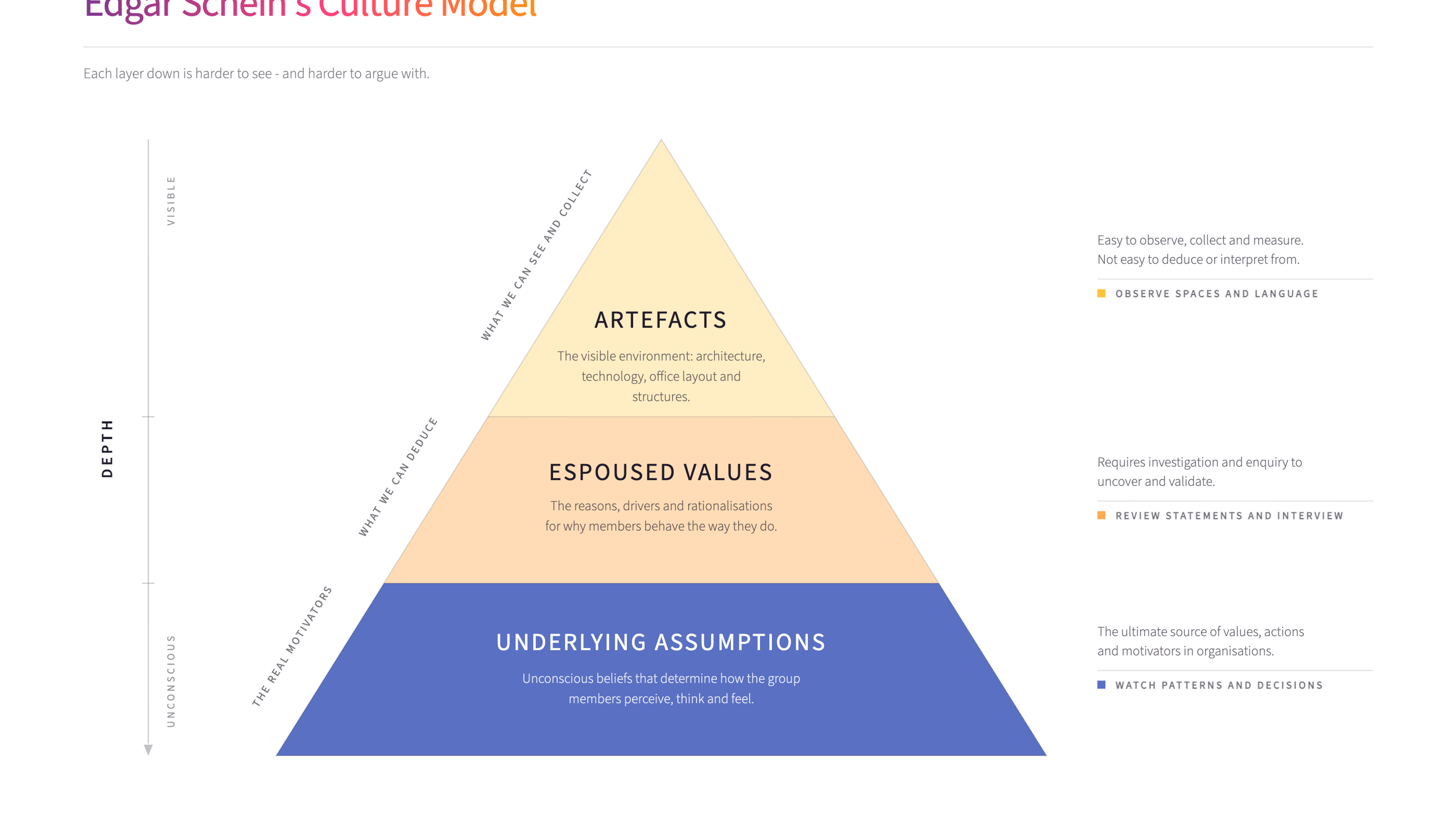
Edgar Schein's Culture Model explores organisational culture at three levels - visible artefacts, stated values, and the deeper underlying assumptions that really drive behaviour. It helps organisations get beneath the surface of what their culture actually is.
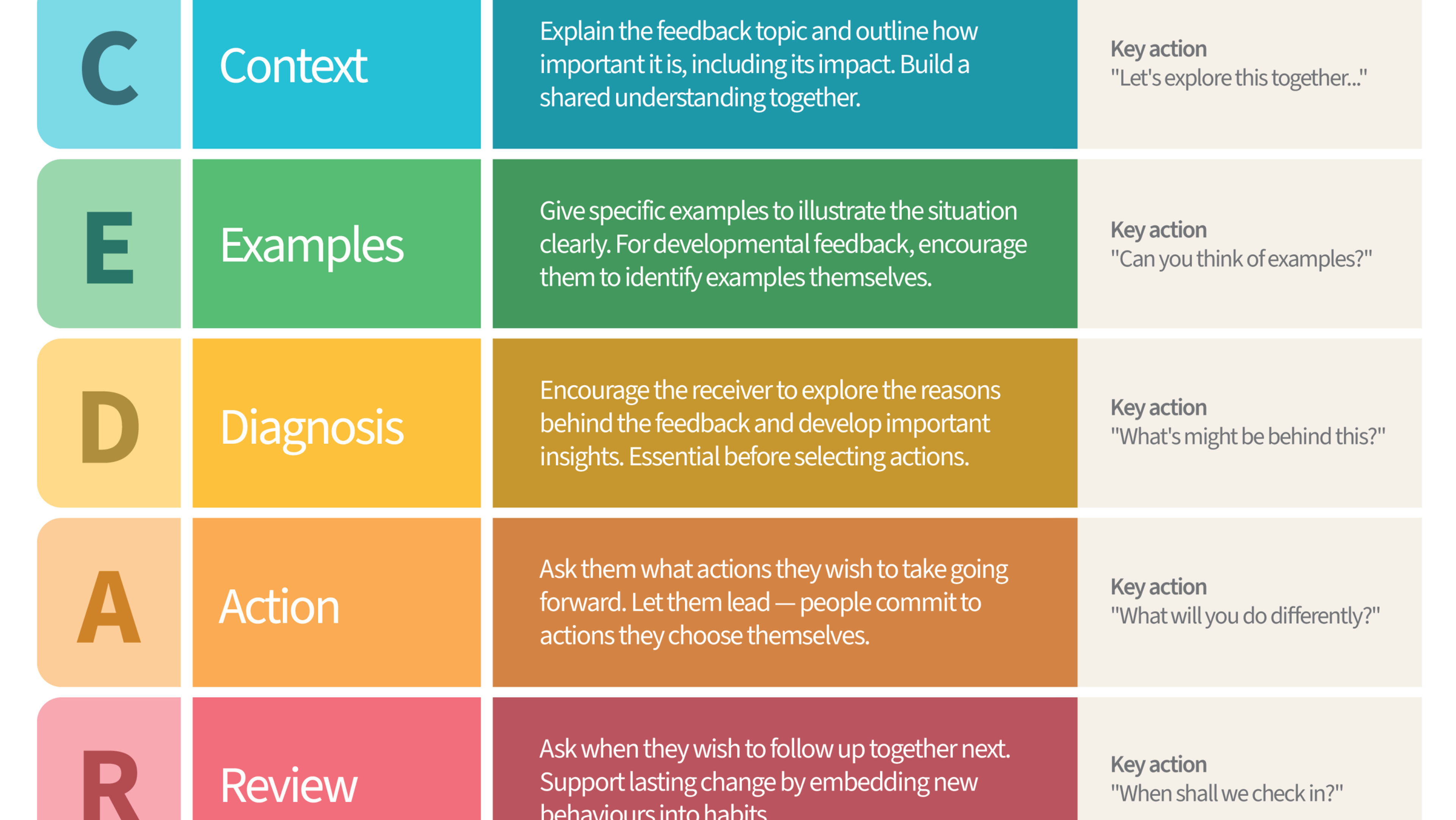
The CEDAR Feedback Model is a structured framework for leading feedback conversations that feel collaborative rather than top-down. It walks through Context, Examples, Diagnosis, Action, and Review to turn feedback into genuine development.
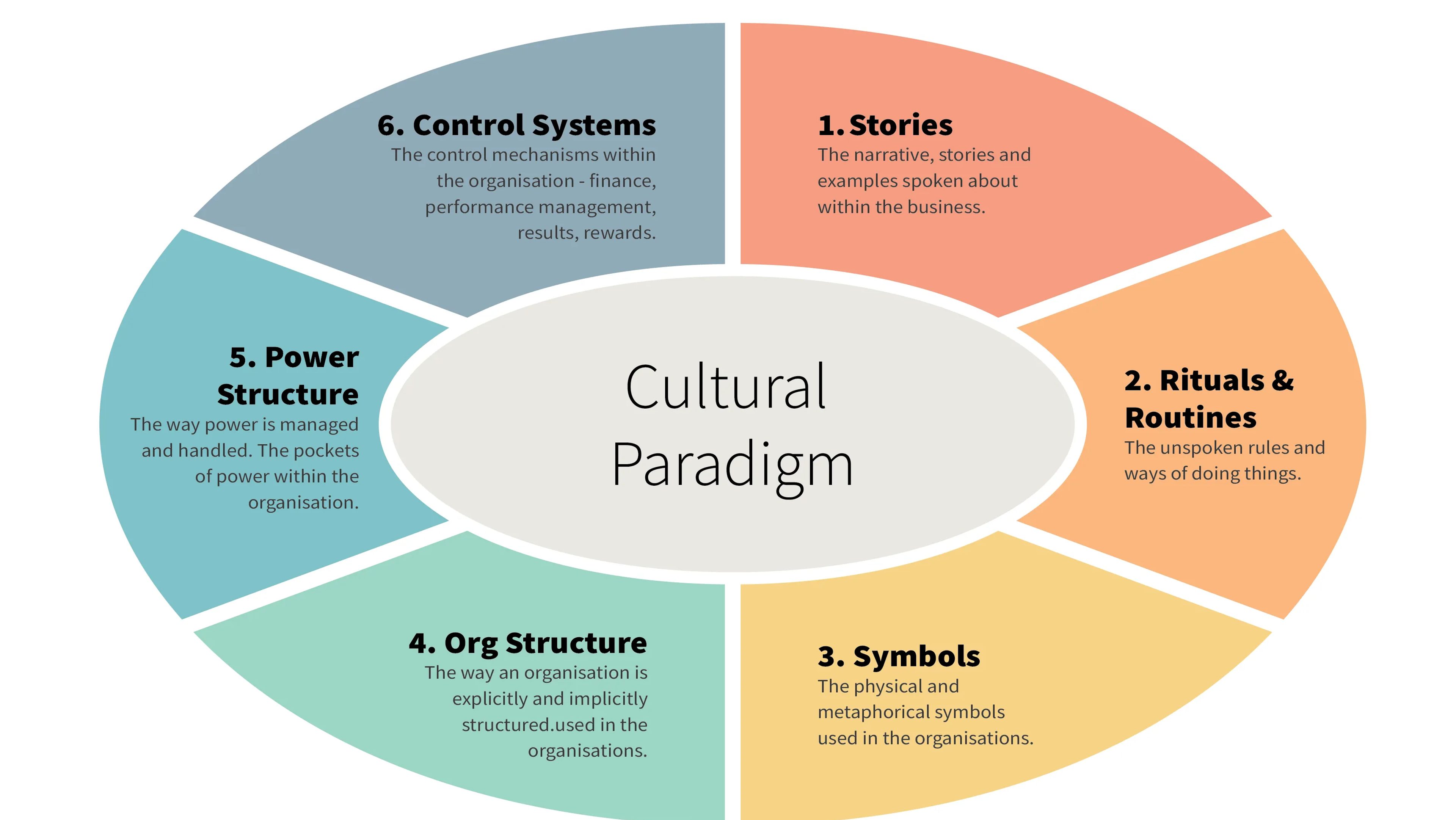
The Cultural Web is a model for understanding and mapping organisational culture across six interconnected elements. It helps you see how stories, rituals, symbols, power structures, controls, and organisational structures shape the way things are done.
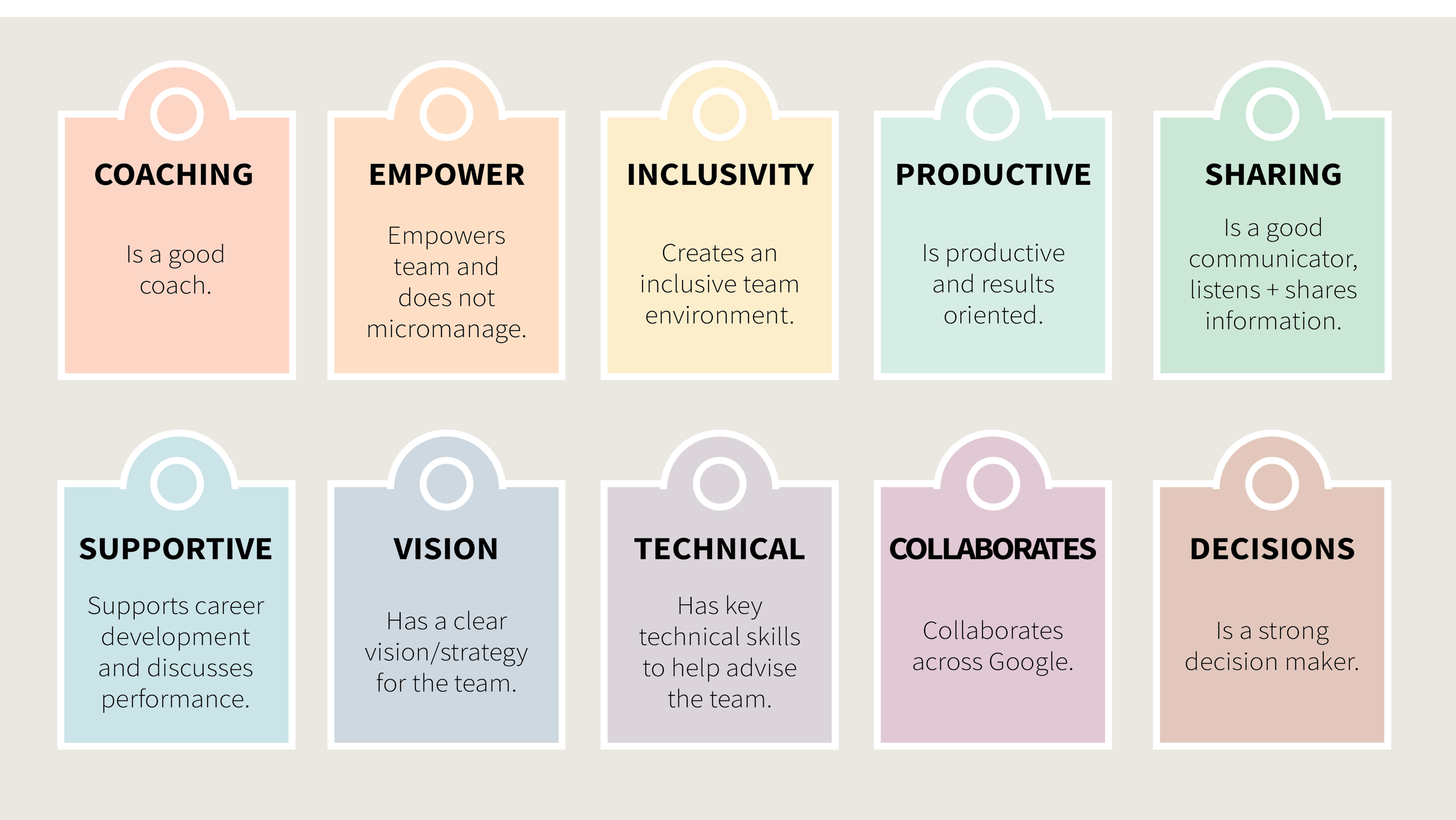
Project Oxygen is Google's research into what makes a great manager. It identified key behaviours - from being a good coach to supporting career development - that consistently lead to better team outcomes.
Design the culture you want to cast
Target culture design turns intent into specific, observable behaviours - so the shadow leaders cast is the one they mean to.
Ready to use Leadership Shadow?
Download the free template - includes practical guidance for workshops and team sessions.
Get the free template
Want to put these ideas into practice?
Whether you're navigating a merger, rethinking how you're structured, or trying to shift a culture that isn't working - underneath, it's the same job: getting the whole organisation pulling in the same direction. Start with a conversation.