Organisational development that makes change stick
These are the situations that most often bring people to us - you'll likely recognise one or two.
- Making development stick beyond the programme
- Connecting improvements that currently sit in silos
- An organisation that learns as it works
- OD capability you grow, not outsource
- From reactive fixes to deliberate development
- Leaders seeing the whole system, not their patch
- Helping a post-merger organisation thrive
- Turning a restructure into genuine organisational growth
Organisational development in practice
No two organisations face the same organisational development challenge. These examples draw on experience helping leaders develop the organisation as a connected system, so progress compounds instead of sitting in silos.
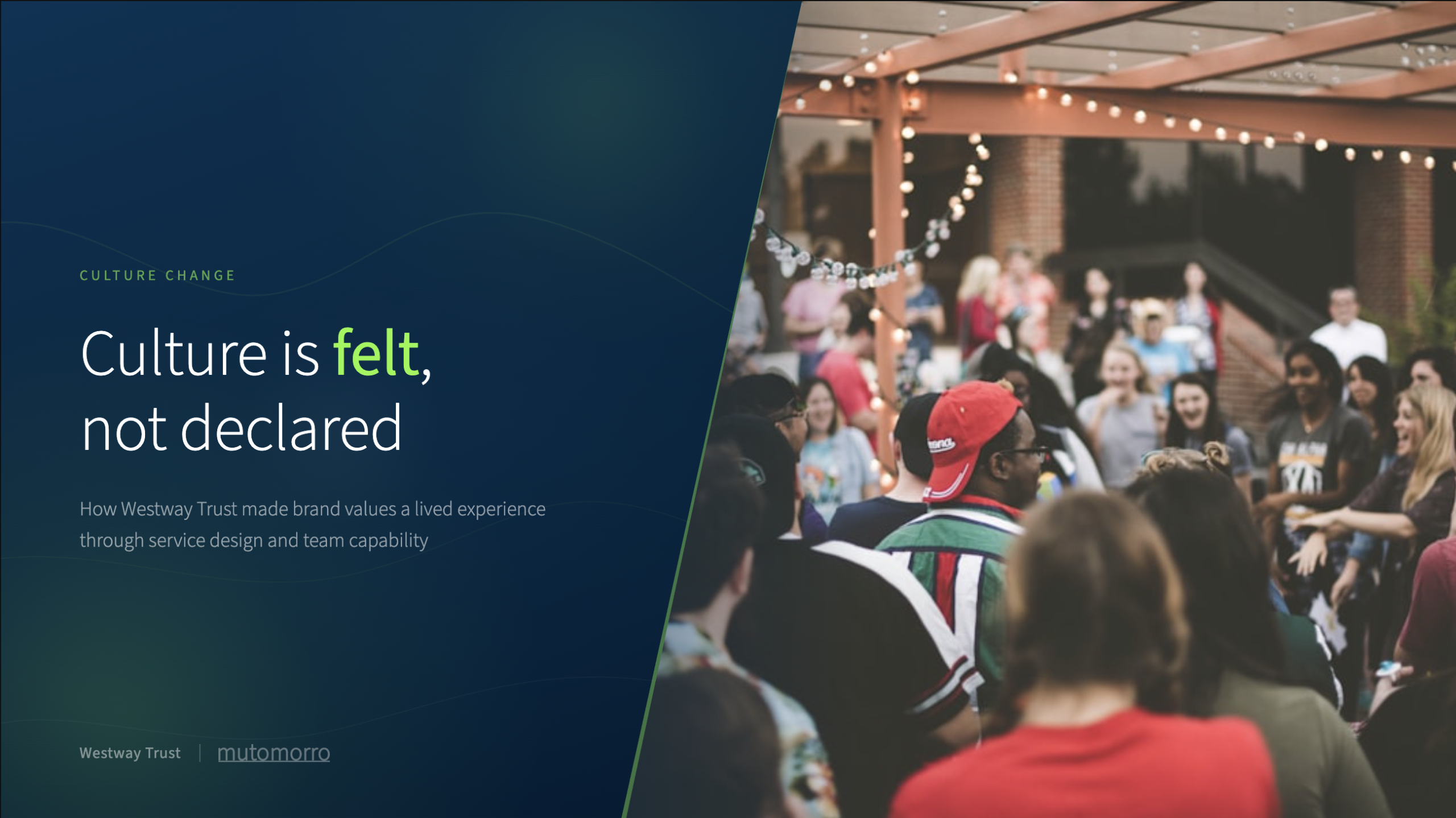
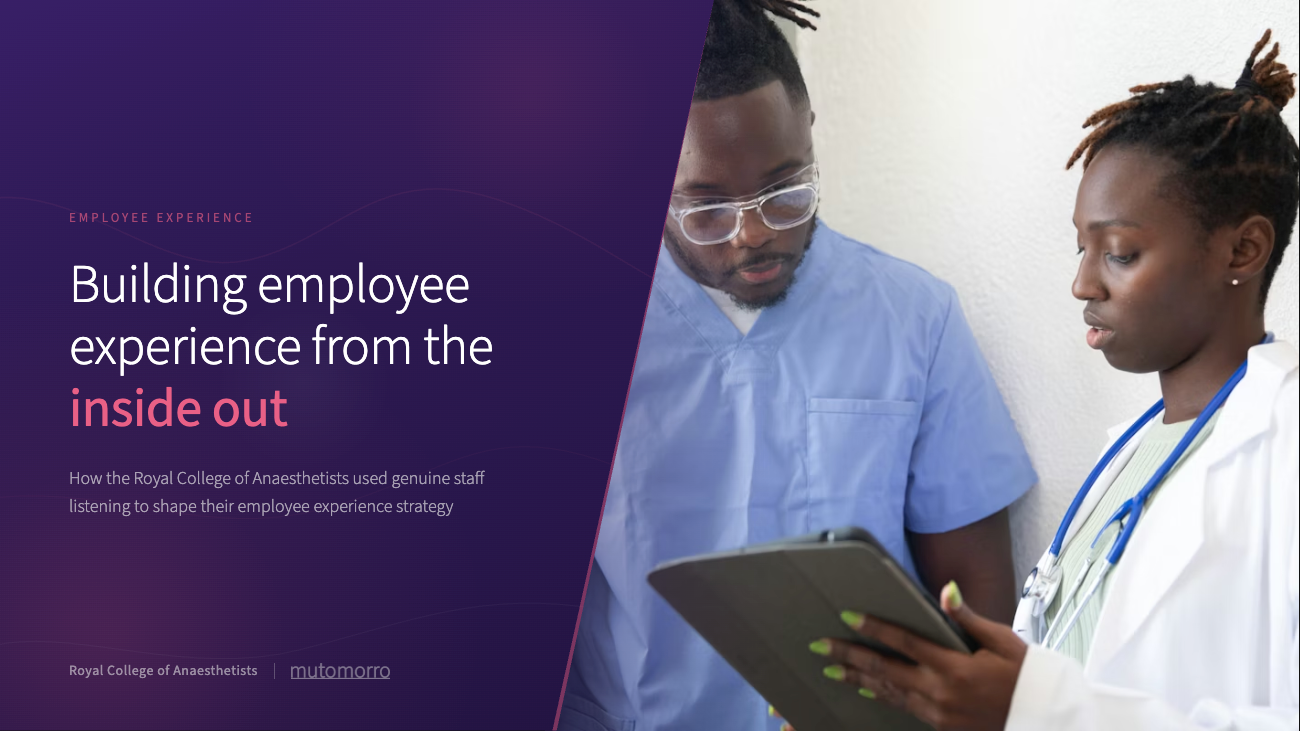
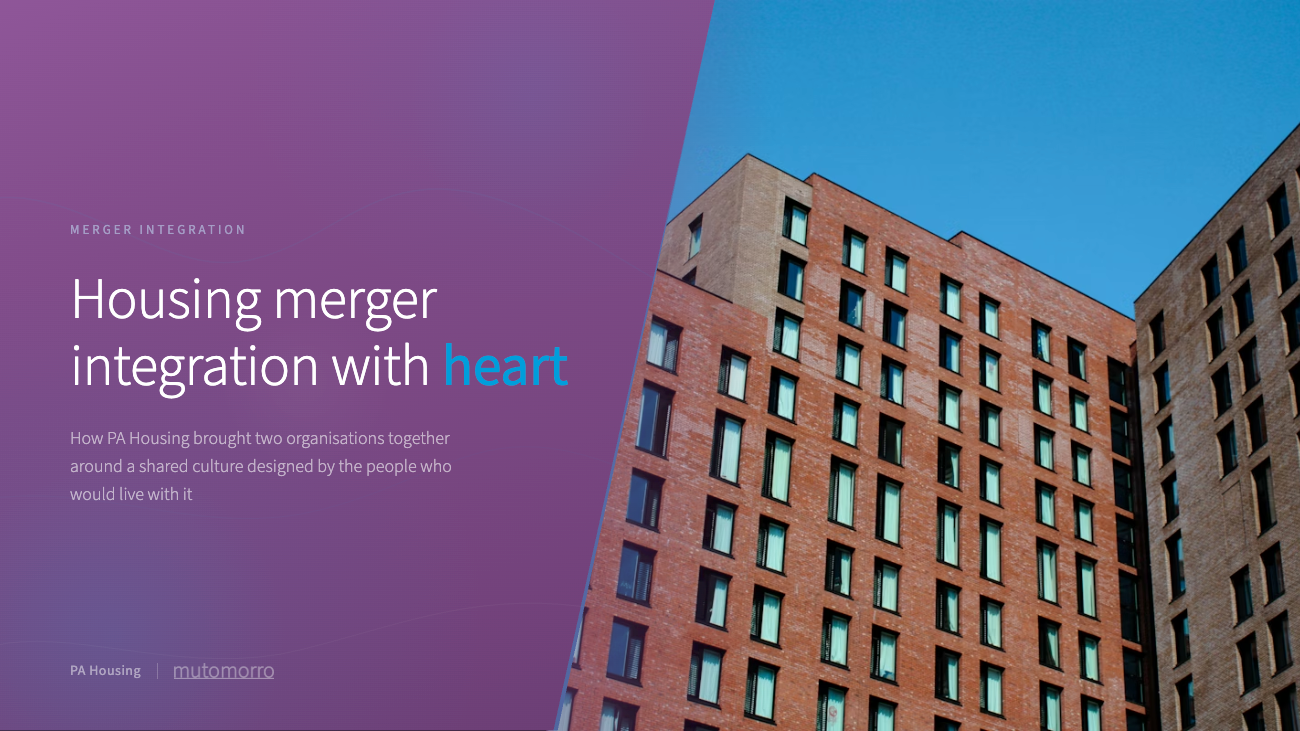
Helping the whole organisation grow stronger
Lasting development starts with seeing the organisation as it really works - not as the chart suggests.
Recognise your situation?
Let’s talk about what this could look like for your organisation.



























How we develop your organisation
Most consulting fixes one thing - a structure, a team, a process. Organisational development takes the longer, wider view: we help the whole organisation get better at how it works, and keep getting better over time. It's our home discipline, and it's the lens behind everything else we do.
Our work runs through four stages - understanding the organisation as a whole, deciding where development will do the most good, doing the actual work, and leaving you able to keep developing on your own. They're not rigid. Some organisations want all four; others just need help where progress has stalled. We start wherever you are.
Understand the organisation as a whole
You can't develop what you don't understand, so we start with a proper organisational diagnosis - reading the whole organisation rather than chasing isolated problems. We look at how the parts connect, where the patterns sit, and what's really shaping how the place functions day to day. It's the difference between treating a symptom and seeing what's actually driving it - and it's what makes everything that follows land.

- Reading the whole organisation, not one isolated problem
- Seeing how the parts connect and where the patterns sit
- Listening across levels for what's really going on
- Finding what's shaping how the organisation functions overall
What you get
A clear, honest read on how your organisation actually works - and where development will make the biggest difference.
Decide where to focus
You can't develop everything at once, and you shouldn't try. So this stage is about OD action planning - working out where development will do the most for the whole organisation, and choosing the few points that move everything else. We plan work that fits how your organisation actually runs, not an off-the-shelf programme dropped in from outside. Fewer, better-chosen moves beat a long list that scatters your energy.

- Choosing where development will do the most for the whole
- Picking the few points that shift everything else
- Planning work that fits your organisation, not a template
- Sequencing it so each piece builds on the last
What you get
A focused plan aimed at the things that matter most - so your effort goes where it actually counts.
Do the developmental work
This is the actual organisational development work, and it rarely sits in one neat box - it runs across structure, culture, capability and the everyday ways of working. We're developing the organisation, not patching a single symptom, so we stay alongside your people as the work happens and learn as we go. Some of it lands first time; some needs a second pass. We adjust as the organisation responds, rather than forcing the original plan through.

- Working across structure, culture, capability and ways of working
- Developing the organisation, not patching one symptom
- Staying alongside your people as the work happens
- Adjusting as you learn, rather than forcing the plan
What you get
Real, joined-up change across the organisation - the kind that compounds instead of fading once the project ends.
Build the capacity to keep developing
The point isn't a one-off improvement - it's an organisation that keeps developing itself long after we've gone. So we treat building OD capability as the real prize: development becomes something you do, not something you commission. We grow your people's ability to keep reading the organisation honestly and to keep improving it on their own terms, so progress carries on under its own steam rather than stalling the moment we step away.

- Making development something you do, not something you buy in
- Growing your people's ability to read the organisation honestly
- Handing over the habits that keep improvement going
- Stepping back gradually as you take the lead
What you get
An organisation that keeps developing itself - getting steadily better, year on year, without needing us in the room.
Connected, not isolated
We design development that works across the whole system, not in pockets.
Embedded, not bolted on
Development happens in the real work, not as a separate programme.
Capability-building
We work ourselves out of a job by building your internal OD muscle.
Evidence-led
We assess organisational health rigorously before designing anything.
Development compounds when the conditions support it. We help you build those conditions.
Our organisational development consultancy works with the conditions that make development compound - not a series of initiatives that fade, but a change to how learning, decisions and capability connect across the whole organisation.
Development that compounds needs more than good intentions
Organisational vitality - the capacity to grow, adapt and strengthen - emerges when the conditions support it: when learning flows, decisions connect, and people see how their development serves the whole.
We work with the conditions that make development stick
We help you see the organisation as a connected system, design changes to the conditions themselves - not just the programmes on top - and build the capability to keep developing without us.
An organisation that develops itself
When the conditions support it, development stops being something you commission and becomes something you practise - the organisation does not just get better, it gets better at getting better.
The organisation that learns is the one that lasts
Our approach to organisational development grows from something broader: a conviction that organisations work more like living systems than machines. Development isn't a series of fixes applied to broken parts. It's the slower work of creating the conditions in which an organisation can keep improving on its own - long after anyone's been brought in to help.
It's a way of seeing, and it shapes how we approach organisational development - not as an isolated fix, but as something shaped by the whole organisation, and shaping it in turn. Our philosophy page is where the fuller picture comes together.
5x
return on investment from organisational development
CIPD
30%
improvement in organisational effectiveness with sustained OD
McKinsey
2x
more likely to retain talent in developing organisations
Deloitte
90%
of executives say organisational agility is critical to success
McKinsey
Common questions about organisational development
Organisational design focuses on structure - how roles, teams, and reporting lines are arranged to deliver the strategy. Organisational development is broader. It's the ongoing practice of improving how the whole organisation works - its structure, its culture, its capability, its operations, and the connections between them. Design is often a component of development, but development encompasses the conditions that make any structural change actually work.
There's no standard timeline, because it depends on where the organisation is starting from and what it's trying to achieve. A focused assessment and initial design might take 8-12 weeks. Implementation and embedding typically unfolds over 6-18 months. But the honest answer is that OD isn't a project with an end date - it's a practice the organisation adopts. Our role is to help establish that practice and build the capability to sustain it. The goal is always to work ourselves out of a job.
That's one of the most common patterns we see. The issue usually isn't the quality of the development itself - it's the conditions it's landing in. If the surrounding structures, incentives, decision-making patterns, and communication flows don't support the new ways of working, even excellent programmes fade. We work with those conditions directly, not just the programmes that sit on top of them. That's what makes improvement compound rather than evaporate. If the starting point is purpose itself - discovering it, embedding it, or reconnecting it to daily work - our organisational purpose consultancy focuses on that foundation.
Absolutely - and often that's the better approach. Transformation programmes create energy but they can also create fatigue, resistance, and the sense that development is a special event rather than a normal practice. We often work with organisations to embed development into how things already work - adjusting conditions, building capability, strengthening connections - without the drama of a capital-T Transformation.
That's the whole point. Everything we do is designed to build internal capability - leaders who can read the system, practitioners who can facilitate development, and organisational practices that keep improvement happening naturally. If you still need us after we've done our work, we haven't done our work properly. We build in regular health checks, transition planning, and clear handover so the practice sustains.
We use the EMERGENT framework to assess organisational health across eight dimensions - from embedded strategy to adaptability to change. This gives you a clear baseline, tracks progress over time, and makes the impact of development visible and specific. But we also pay attention to the qualitative signals: are decisions connecting better? Is learning flowing more freely? Are improvements in one area reinforcing improvements in others? The compounding effect is often the most reliable sign that development is working.



Why the organisational side is the hard part
Most of what stops a good plan is not the plan. It is the join between it and the organisation - who decides what, how work moves between teams, what people believe is really being asked of them. That is the part we work on, and it is what makes a change hold once we have gone.
Want to explore how this could work for your organisation?
Every organisation is different, so we always start with a conversation. No pitch, no obligation - just an honest discussion about where you are and whether our approach feels right.