Leadership
These resources look at the day-to-day side of leadership: coaching, feedback, emotional intelligence, and being open with the people around you. People tend to take their cue from moments like these more than from anything a leader announces.
Two good starting points: emotional intelligence for leaders and the CEDAR feedback model.
Say a leadership team agrees it wants to hear about problems early. Each of them shows it by thanking whoever raises one. A project team might start flagging delays as soon as they appear. Payroll might speak up about the mistake it keeps quietly fixing.
Tools
Practical tools for feedback, coaching conversations, and understanding what makes managers and leaders effective.
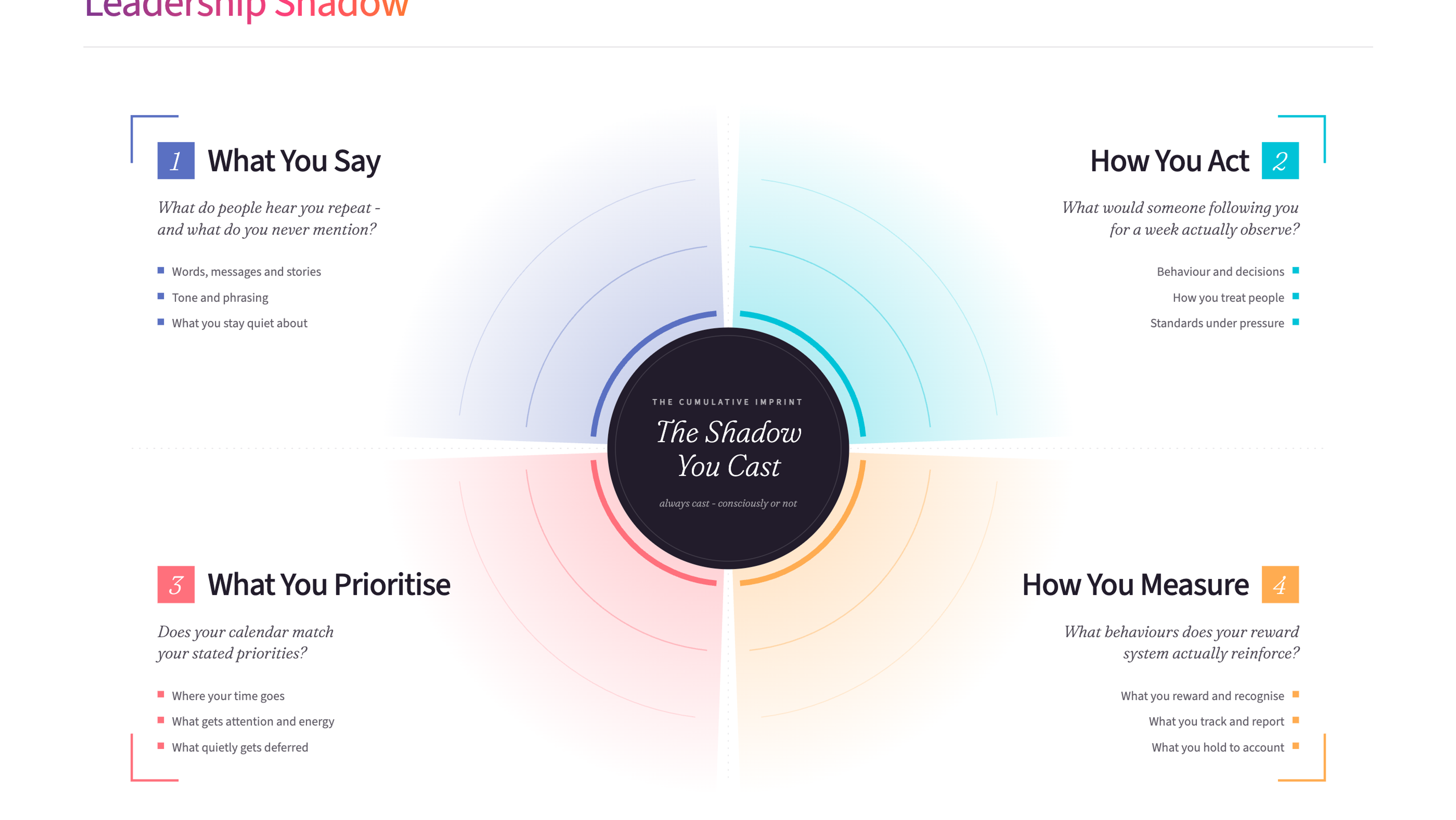
A diagnostic model that helps leaders see how their words, actions, priorities, and measures shape the culture around them - consciously or not.
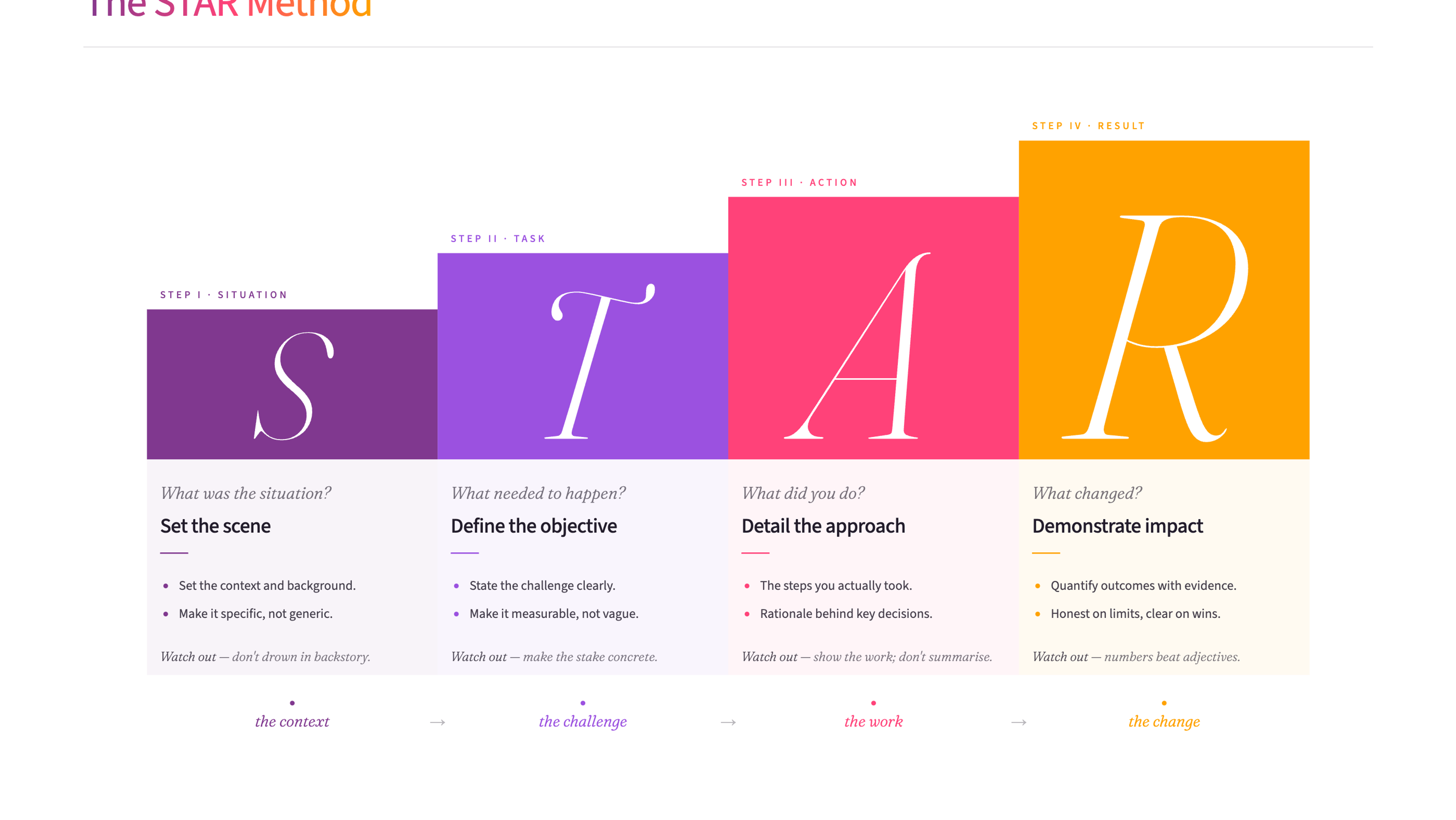
The STAR method is a structured storytelling framework that uses Situation, Task, Action, and Result to create clear, compelling narratives that demonstrate impact and engage audiences through concrete examples rather than abstract claims.
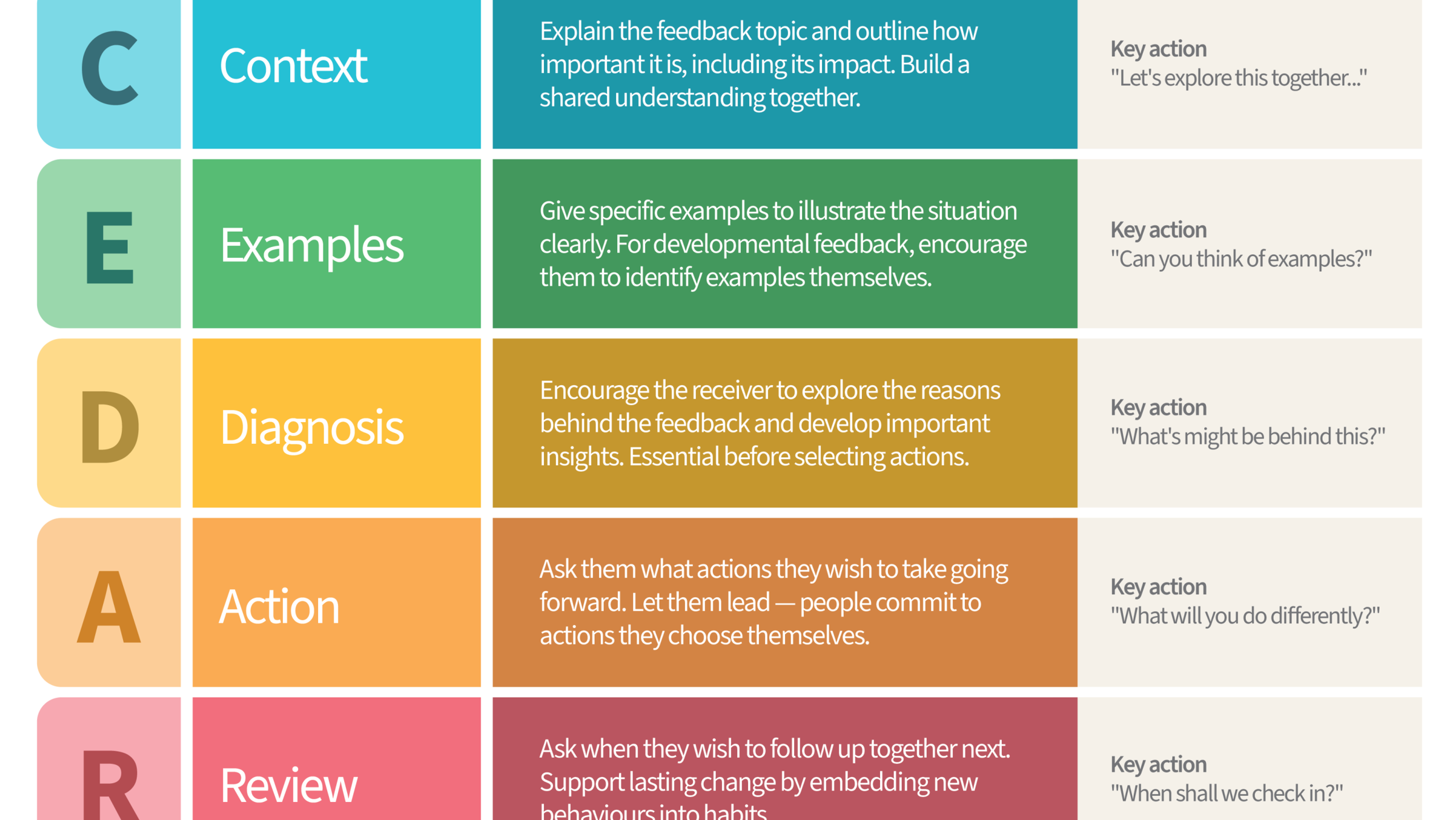
The CEDAR Feedback Model is a structured framework for leading feedback conversations that feel collaborative rather than top-down. It walks through Context, Examples, Diagnosis, Action, and Review to turn feedback into genuine development.
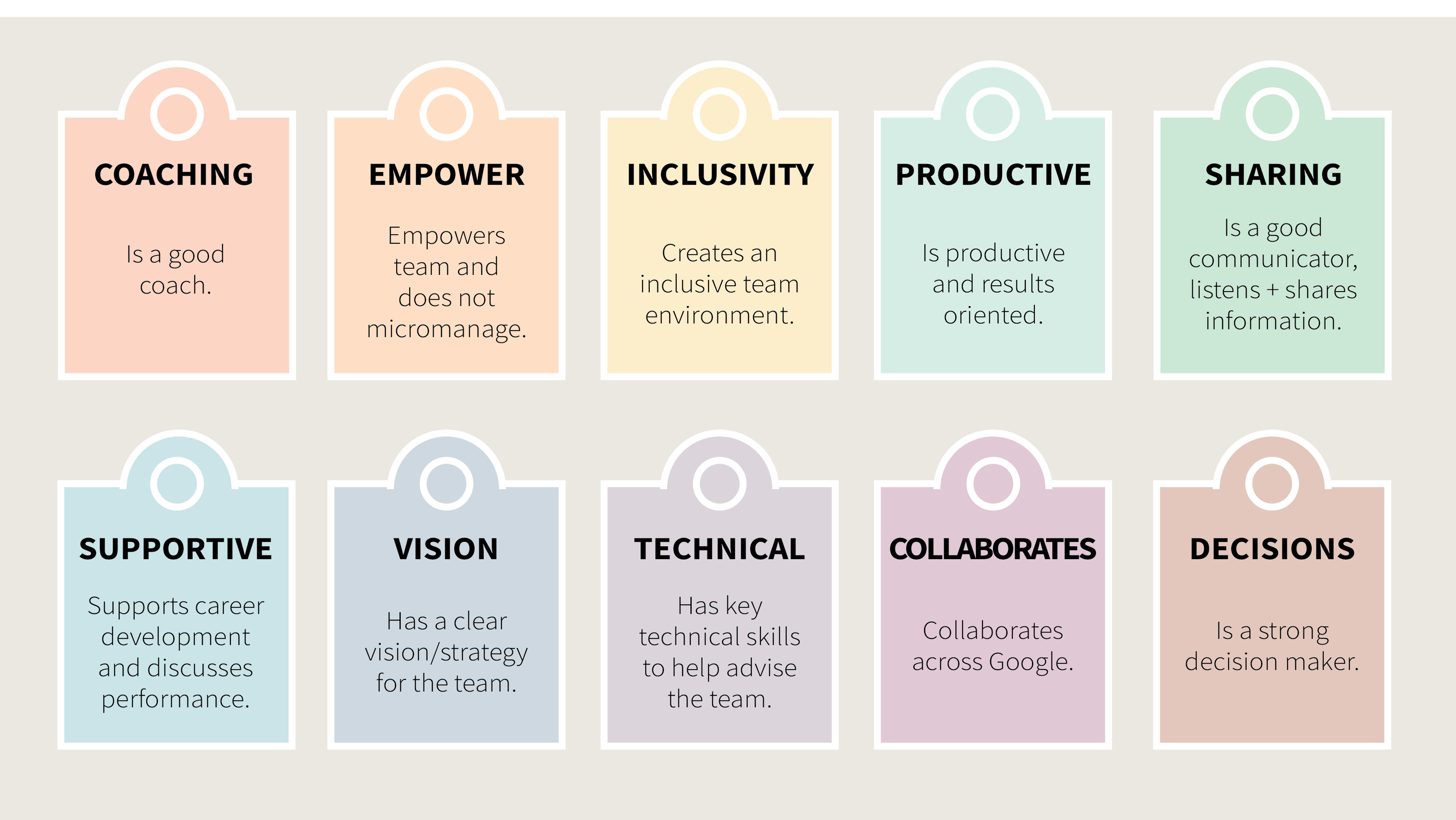
Project Oxygen is Google's research into what makes a great manager. It identified key behaviours - from being a good coach to supporting career development - that consistently lead to better team outcomes.
Articles
Exploring what adaptive and emotionally intelligent leadership looks like in practice.

In complex living systems, the leader who tries to have all the answers is working against the system. Why genuine not-knowing isn't a weakness - it's the condition that lets collective intelligence emerge.

Emotional intelligence in leadership isn't about being nice or reading a room. It's about the quality of attention you bring to how people are experiencing your leadership - and the willingness to adjust what you do based on what you notice.

Let's talk about what you're working on
Whether you're navigating a merger, rethinking how you're structured, or trying to shift a culture that isn't working - underneath, it's the same job: getting the whole organisation pulling in the same direction. Start with a conversation.