Change Management
Change works when people understand why it matters and feel part of shaping it. These are the tools, frameworks, and thinking we return to most often when working with leaders navigating change - from building readiness to sustaining momentum. What matters in the end is whether the whole organisation is pulling together, not just the part being changed.
If you're not sure where to begin, the ADKAR model and our guide to assessing change readiness are the two we return to most.
Services
The hands-on work behind these resources - start with the consultancy, or go straight to a stage.

Change takes root when the conditions inside your organisation support it - when people have genuine agency, feel safe to adapt, and understand why it matters.
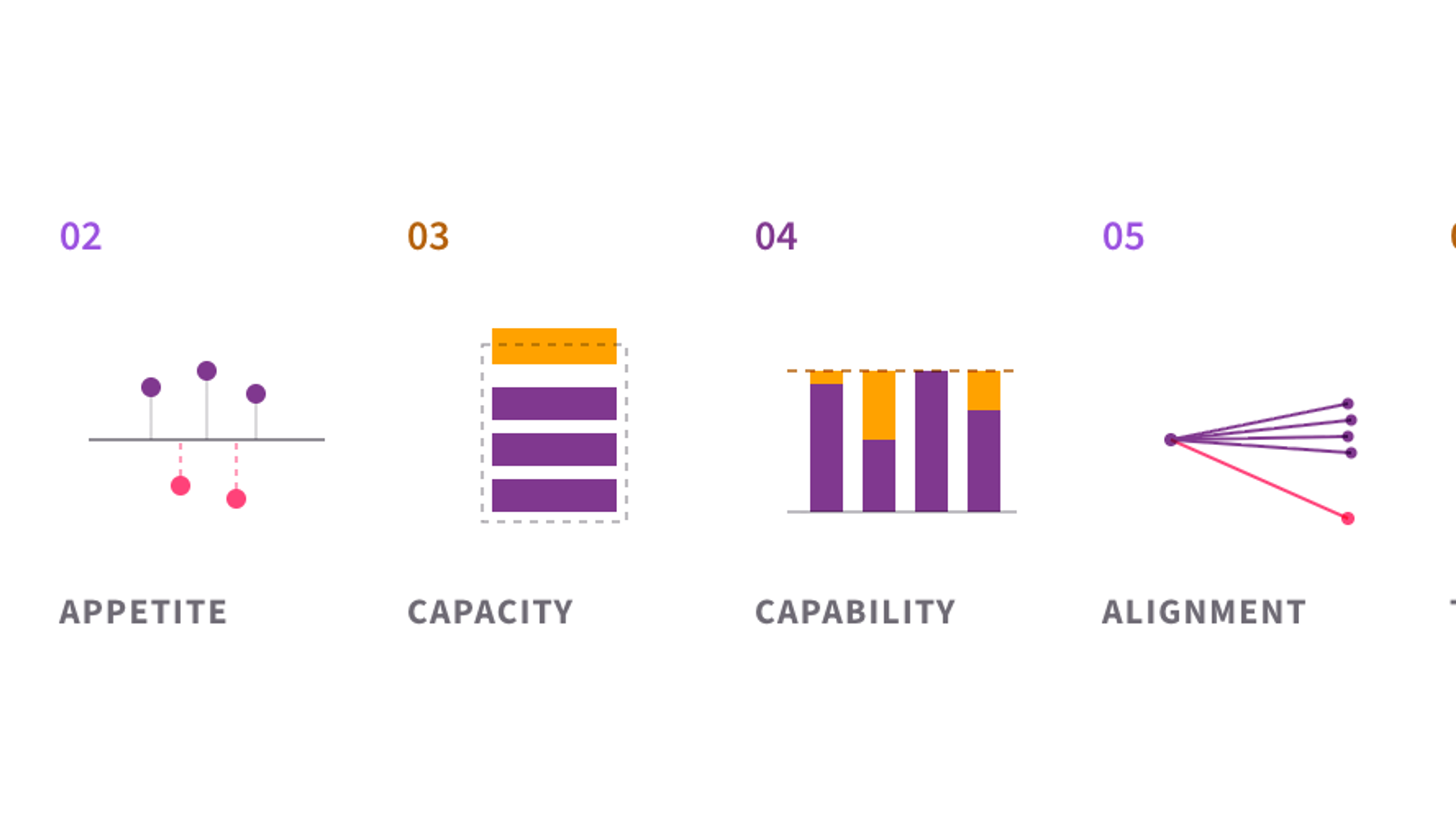
A clear read of whether your organisation is ready for the change you're planning - where it'll meet resistance, and what to fix before you commit.
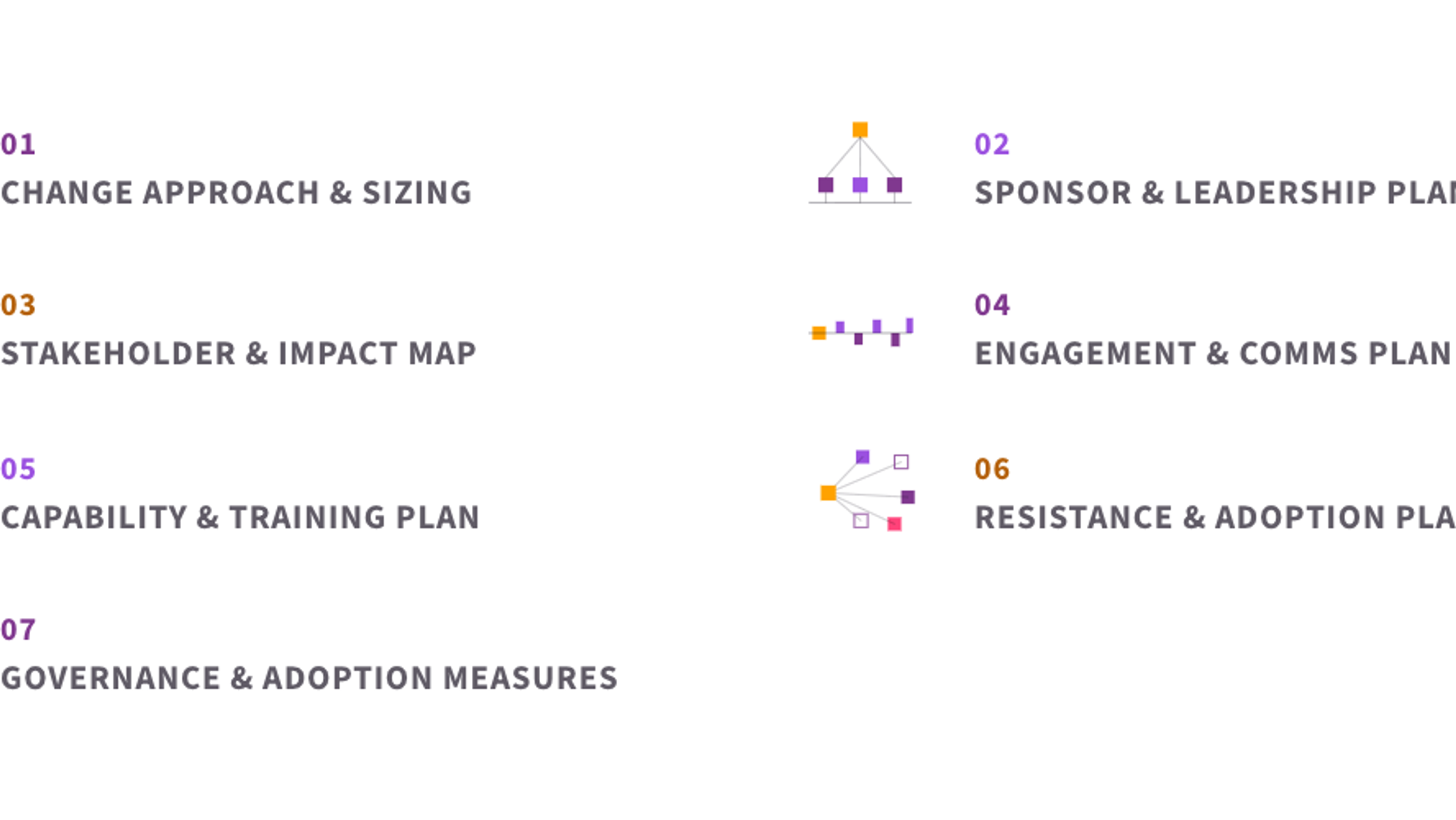
Change plan design gives you your Master Change Management Plan: a change strategy sized to this change up front, then the role-based plans that carry it - sponsorship, engagement, capability, resistance and adoption - and the measures that show it is sticking. We design it with your people, so the plan is genuinely theirs to run.
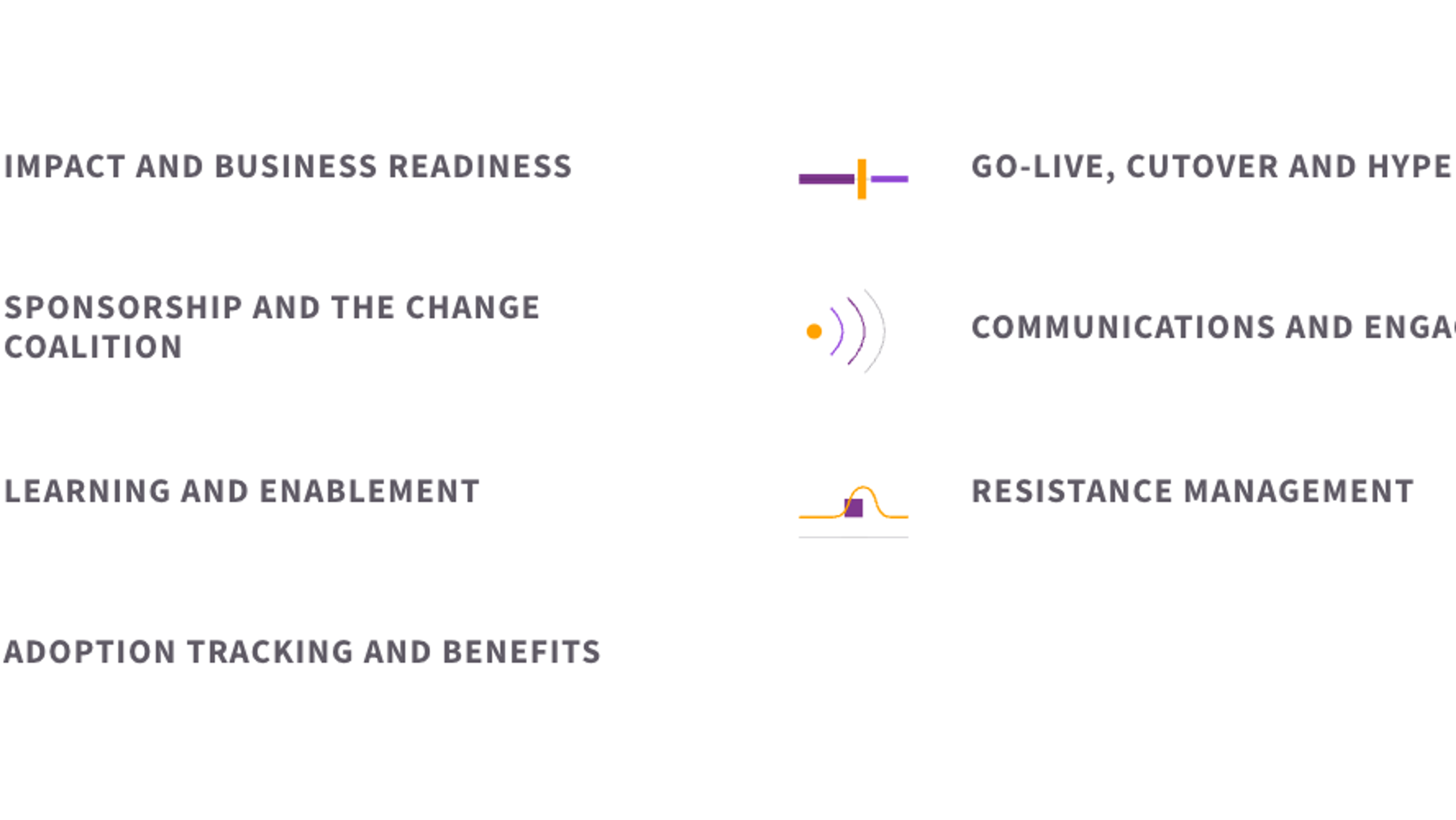
The Change Delivery Programme runs your change plan across the organisation: the communications, the sponsorship, the learning and the go-live, delivered as live workstreams anchored to the project milestones, with a hypercare push through go-live so the new ways of working are actually in use and holding.
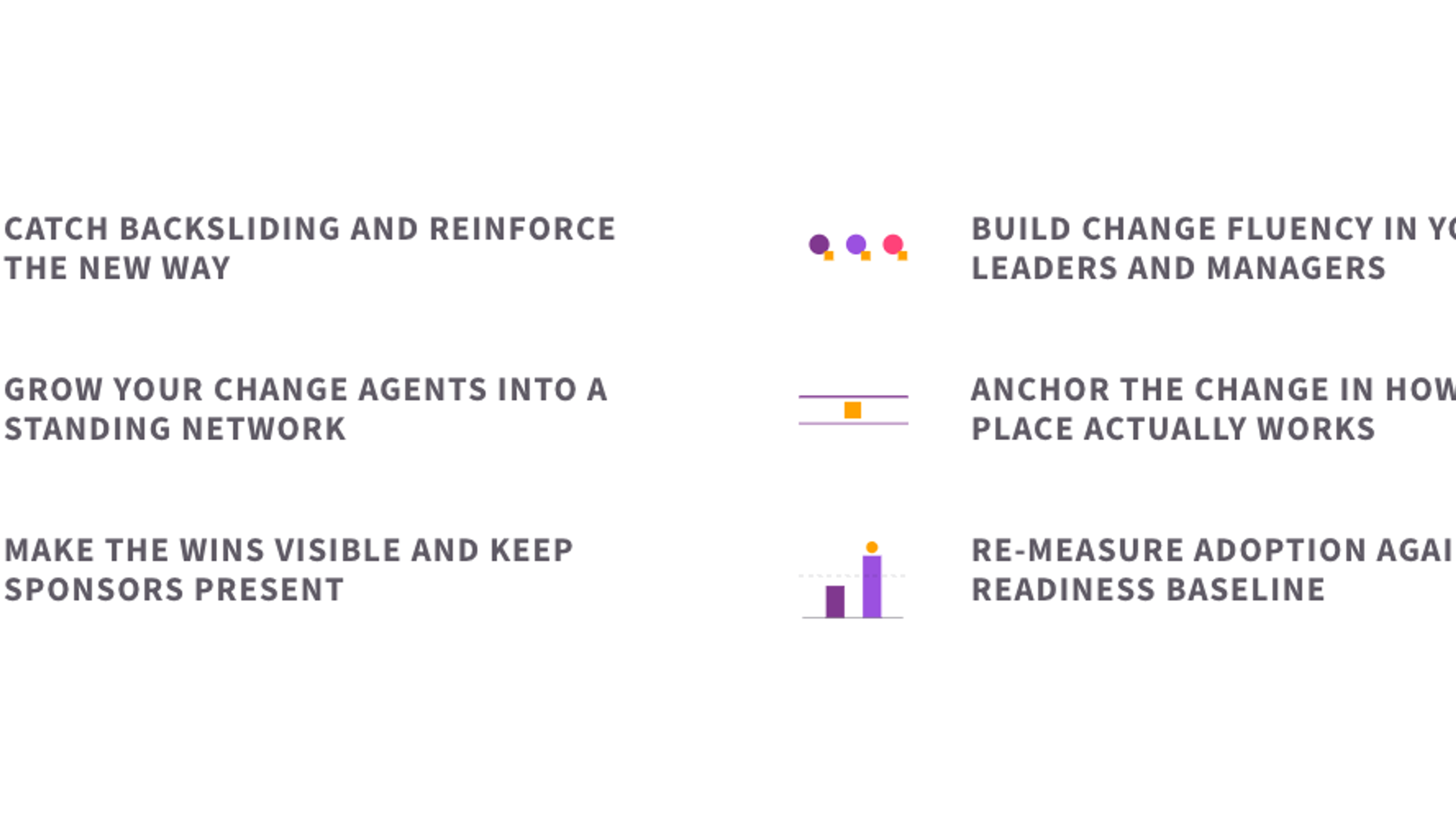
Making Change Stick keeps the change your delivery programme landed adopted and improving as conditions move, and builds your own people's ability to reinforce and run it. The core is the capability your team carries, with an optional light rhythm you can keep us on for as long as it helps.
Case Studies
Examples of change management work we've done with organisations across different sectors.
A housing association in the middle of a significant transformation, with more change on the horizon than its managers had the tools or training to lead.

The EU's most complex piece of environmental legislation needed to reach audiences who had almost nothing in common - from farmers managing land near rivers to specialist hydrogeologists monitoring groundwater.
Tools
Practical frameworks for planning, leading, and sustaining change. From readiness assessment to stakeholder management, these are the models we use most often in our change work.
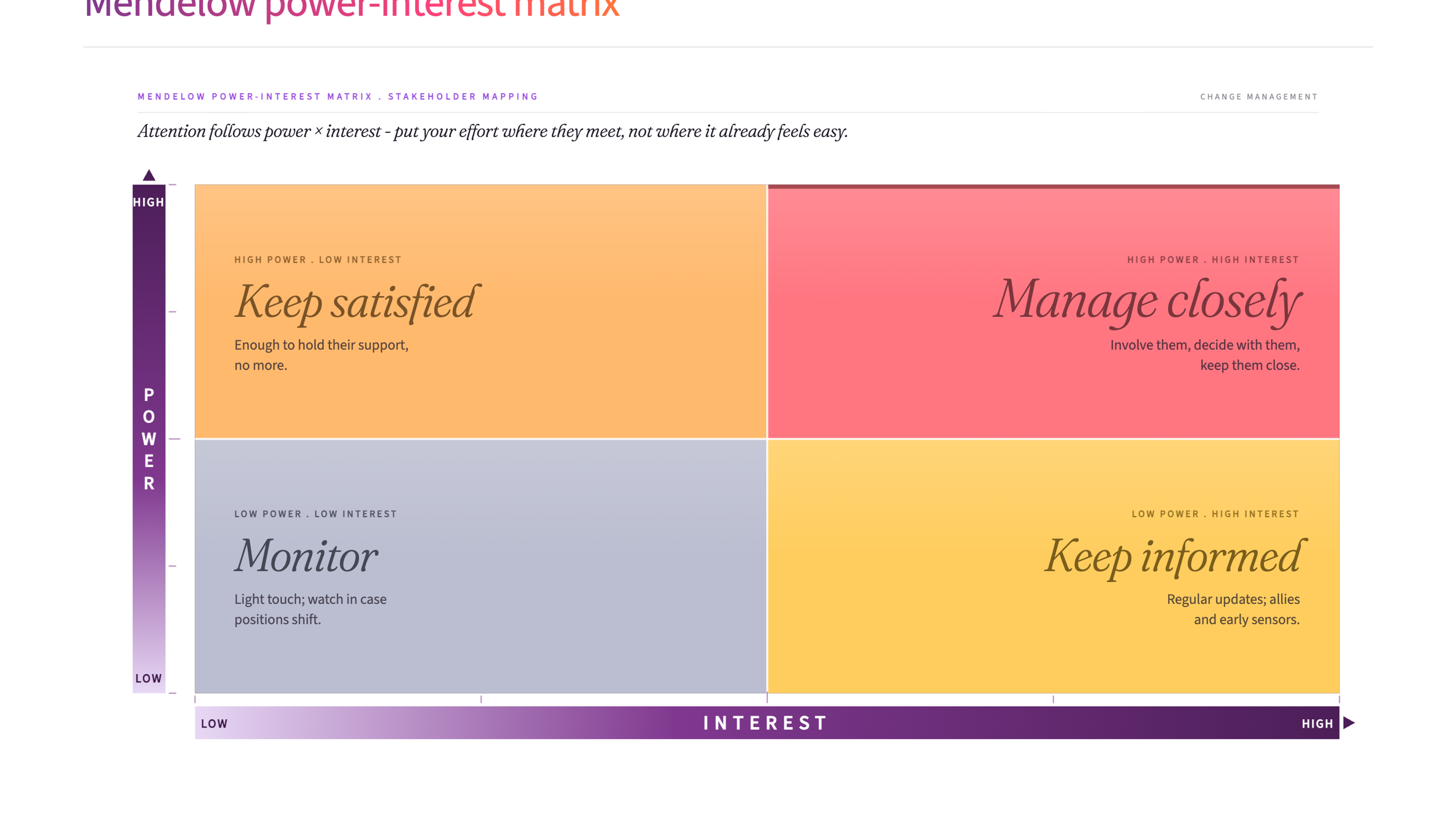
The Mendelow Power-Interest Matrix is a stakeholder mapping tool that helps you work out who matters most during a change or project. It plots stakeholders by their level of power and interest so you can plan how to engage each group.
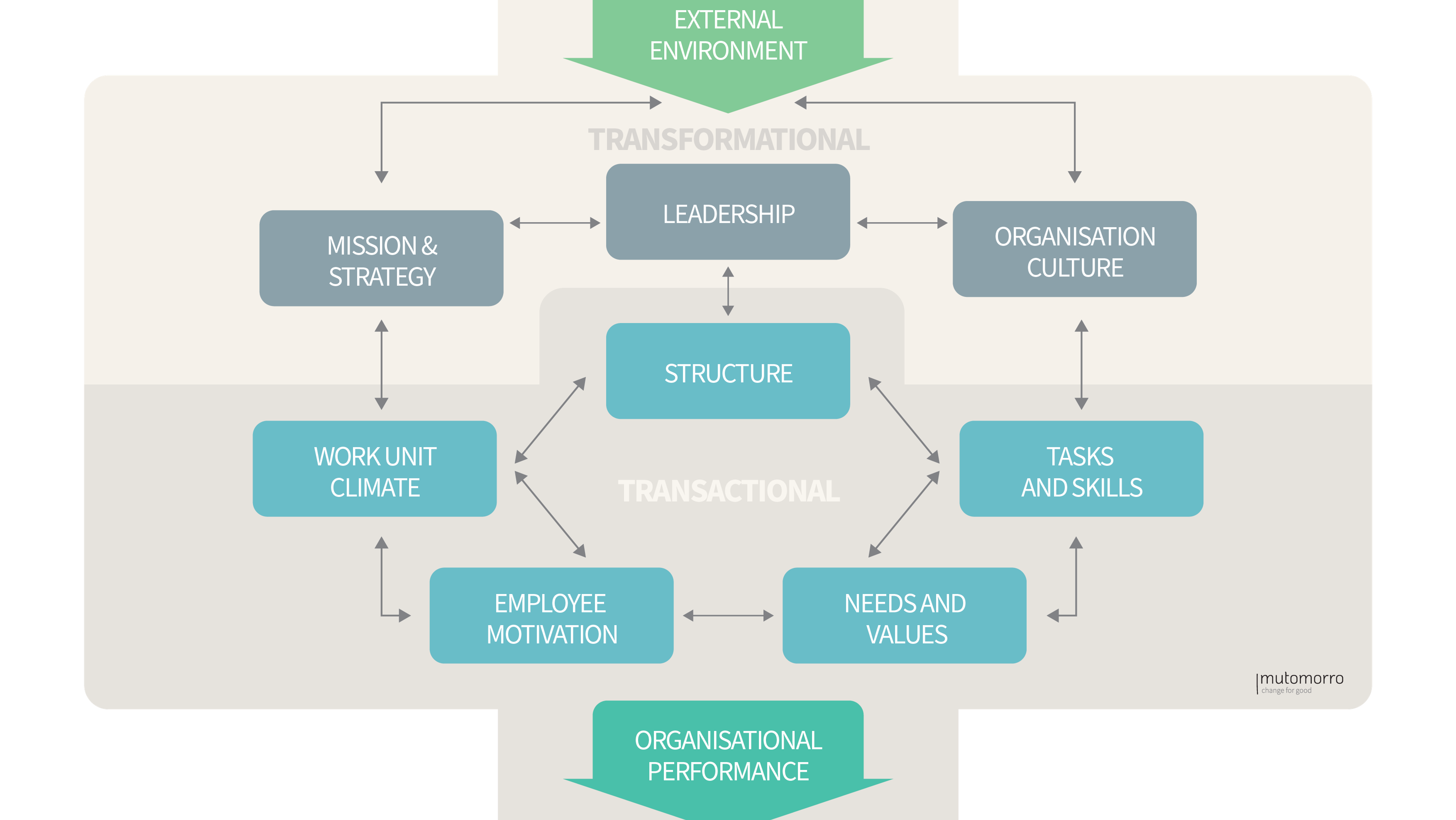
The Burke-Litwin Change Model maps how different parts of an organisation connect and influence each other during change. It helps leaders see which factors are driving performance and where to focus their effort for the biggest impact.
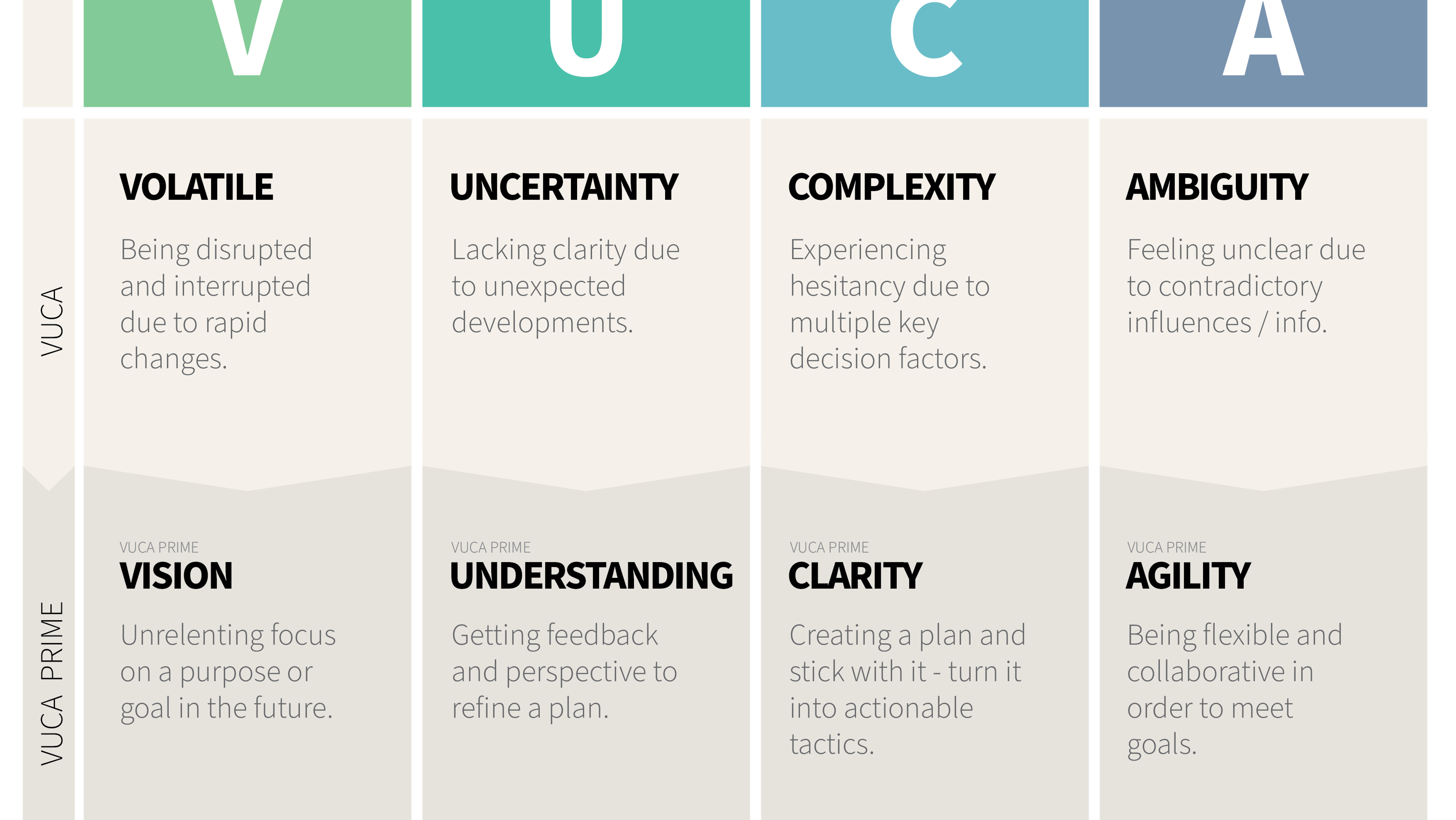
VUCA Prime is a leadership response framework for navigating Volatility, Uncertainty, Complexity, and Ambiguity. It pairs each challenge with a counter-strategy - Vision, Understanding, Clarity, and Agility - to help leaders act effectively in turbulent environments.
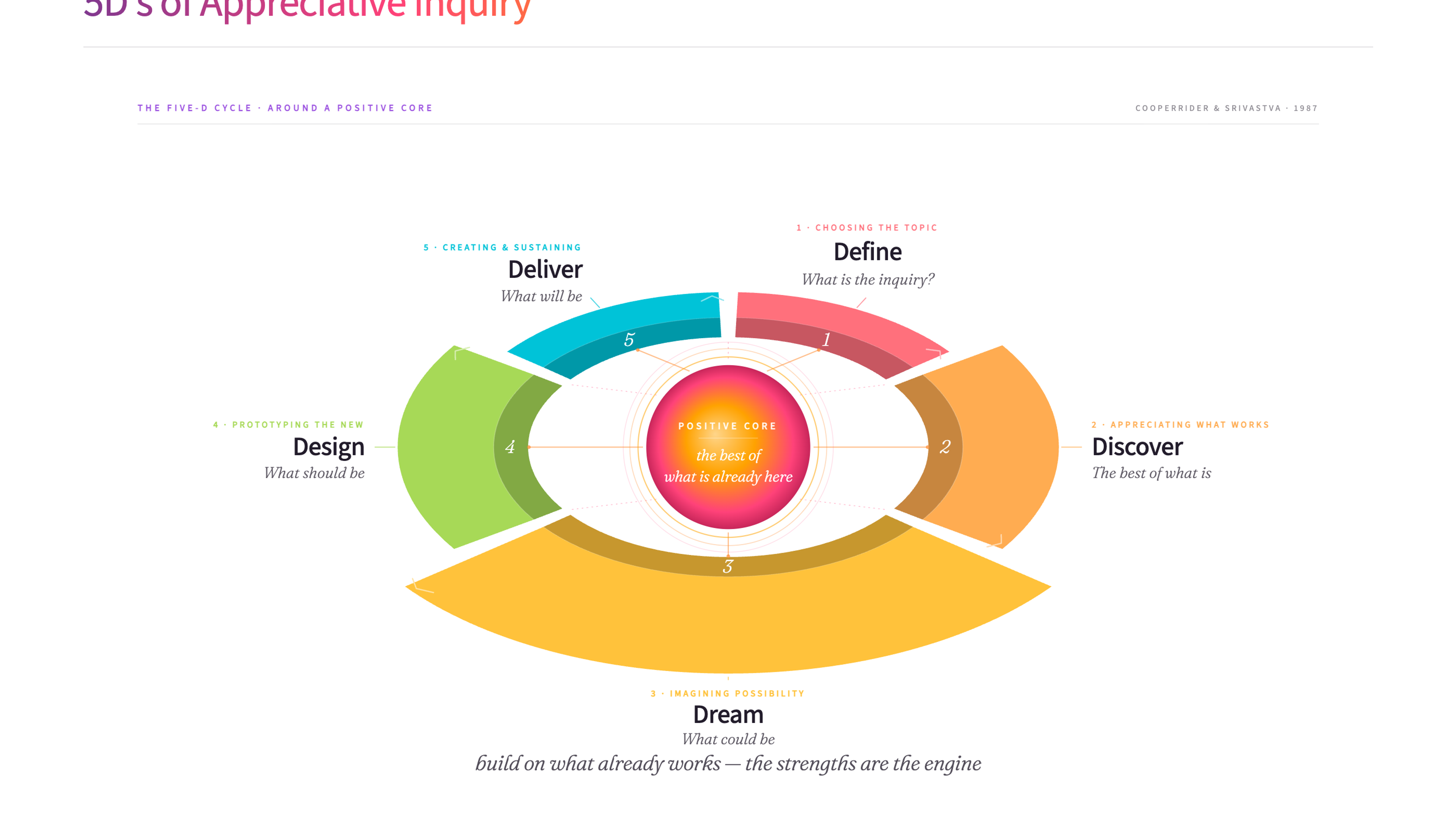
A strengths-based approach to organisational change. The 5D cycle - Define, Discover, Dream, Design, Deliver - helps teams build on what's already working rather than fixating on what's broken.
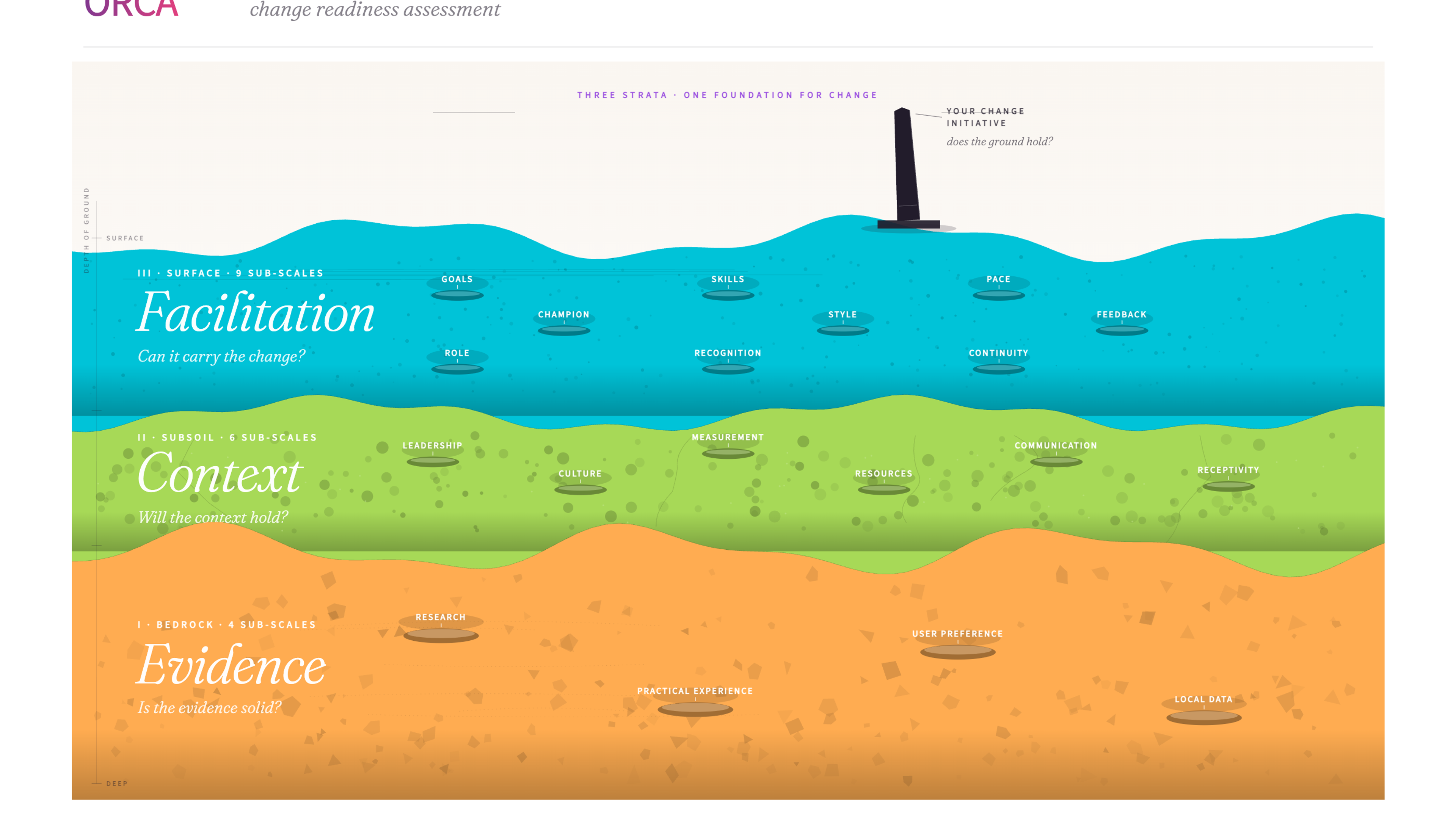
The ORCA framework helps you assess whether your organisation is ready for change by examining three dimensions - evidence, context, and facilitation.
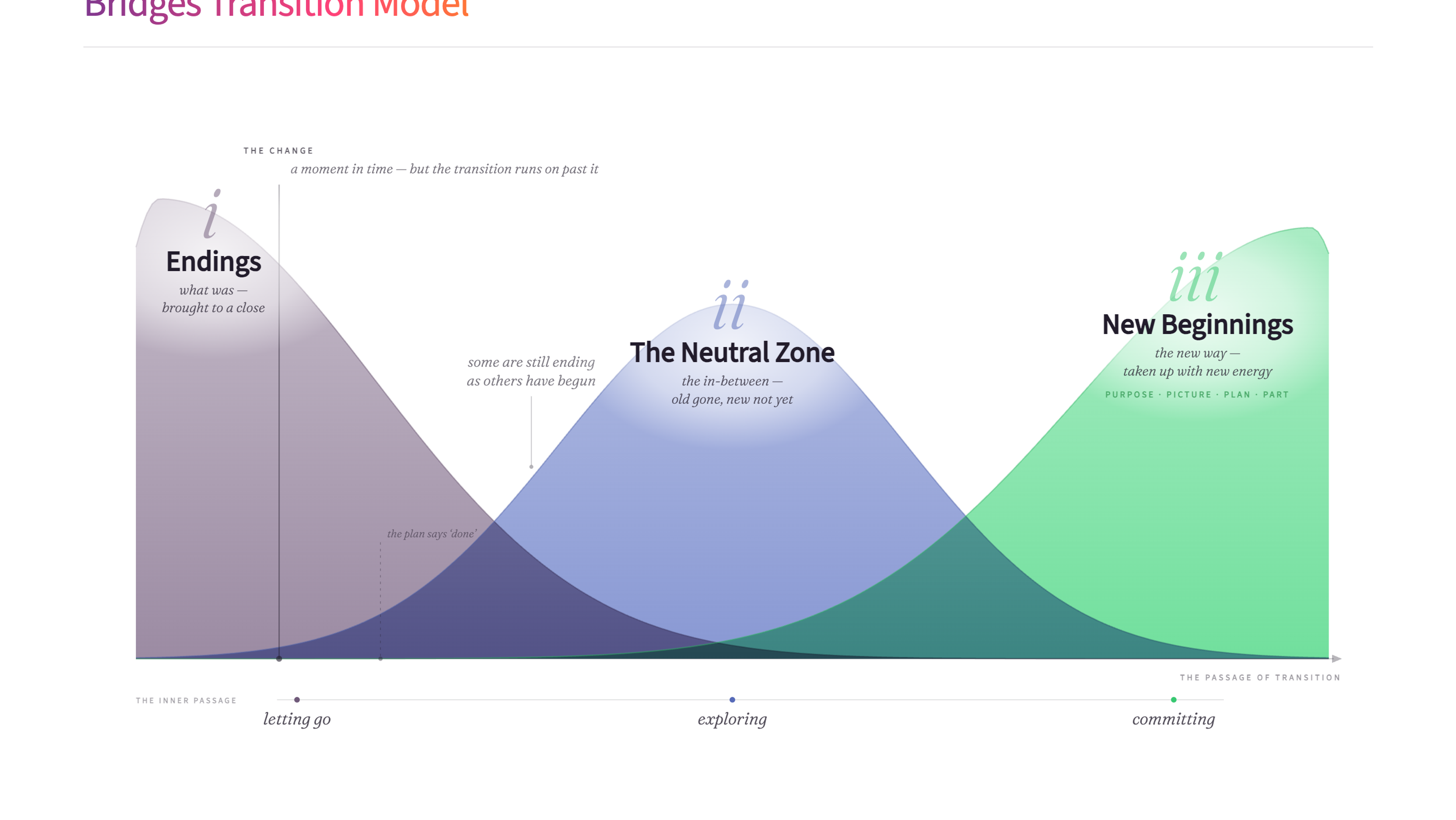
The Bridges Transition Model focuses on the human side of change - the psychological transition people go through rather than the external change itself. It maps three phases: Endings, the Neutral Zone, and New Beginnings.
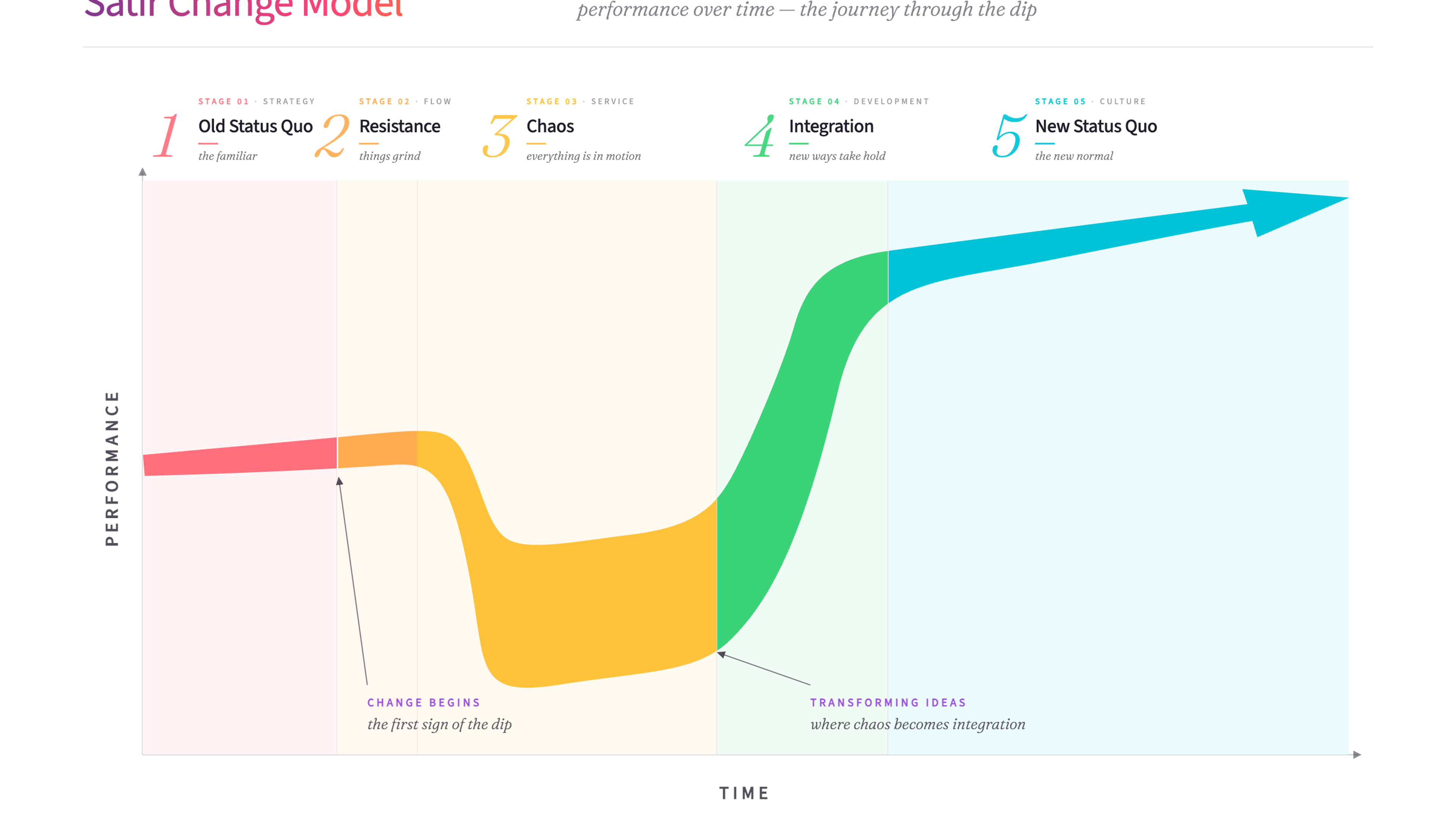
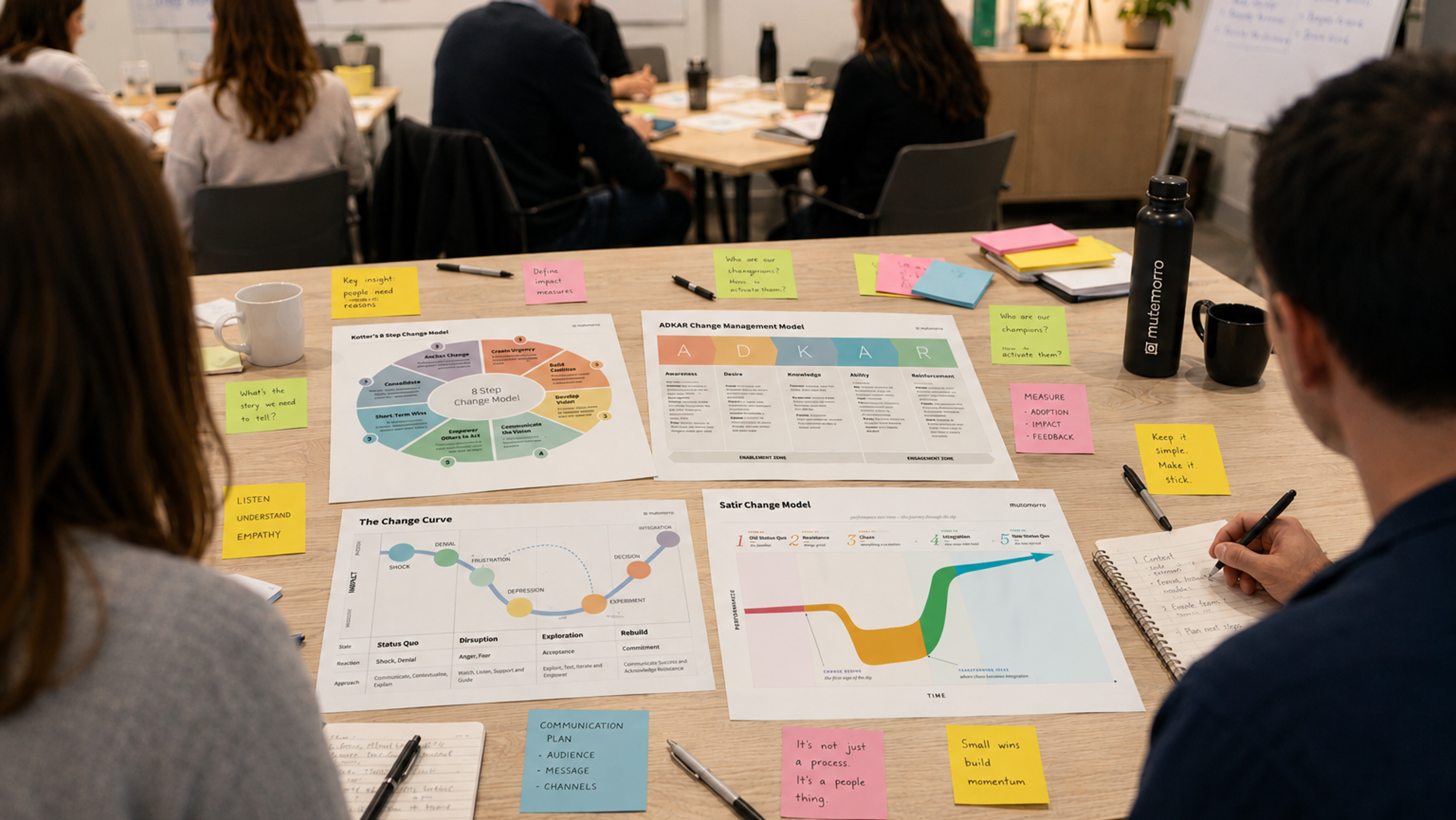
The Satir Change Model maps the emotional journey teams move through during change - from familiar stability through resistance and chaos to integration and a new way of working.
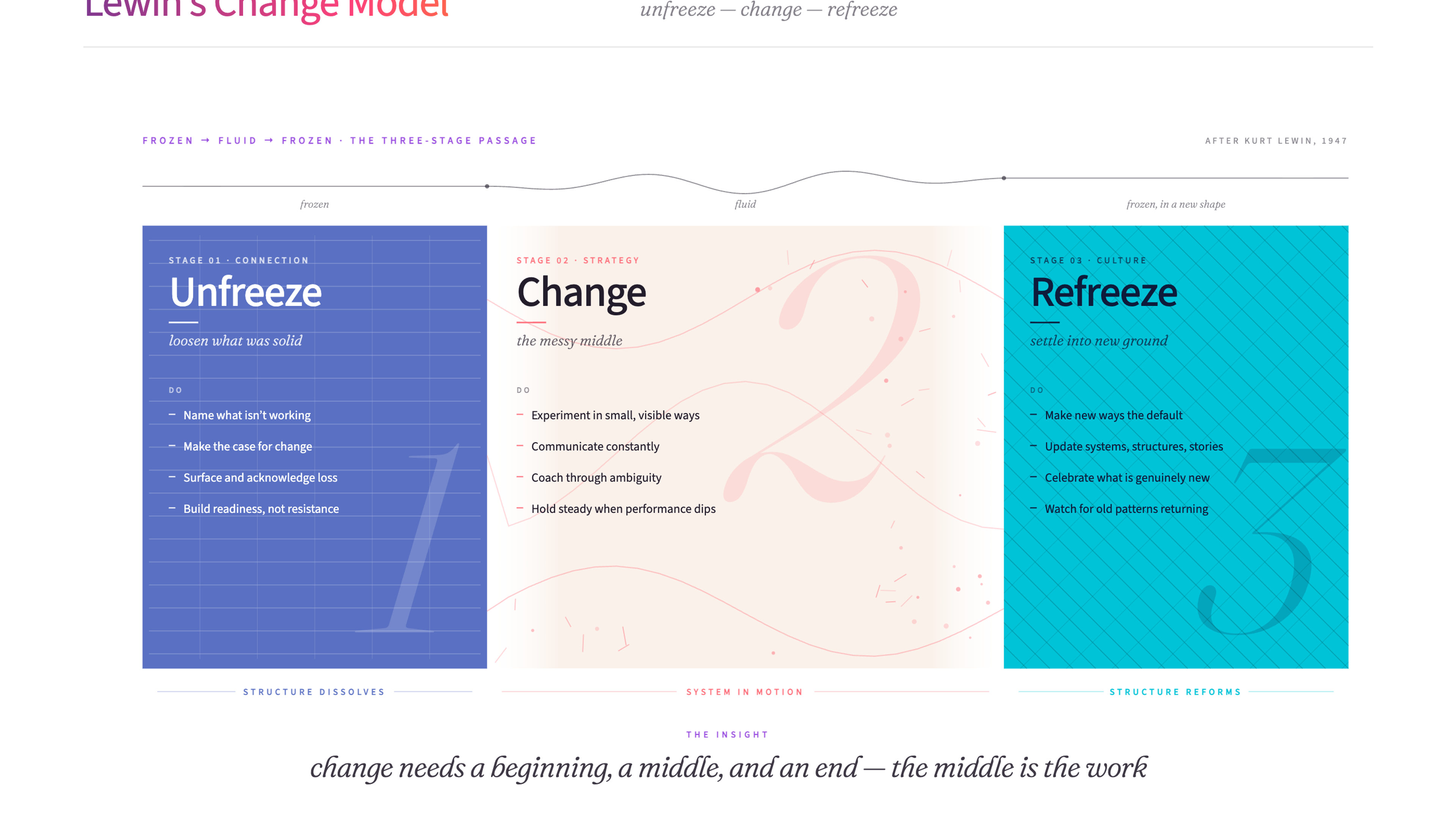
Lewin's Change Model breaks organisational change into three stages - Unfreeze, Change, and Refreeze. Before anything can shift, the conditions holding the current state in place need to soften. Then the change happens. And then the new patterns need to solidify, or the organisation drifts back.
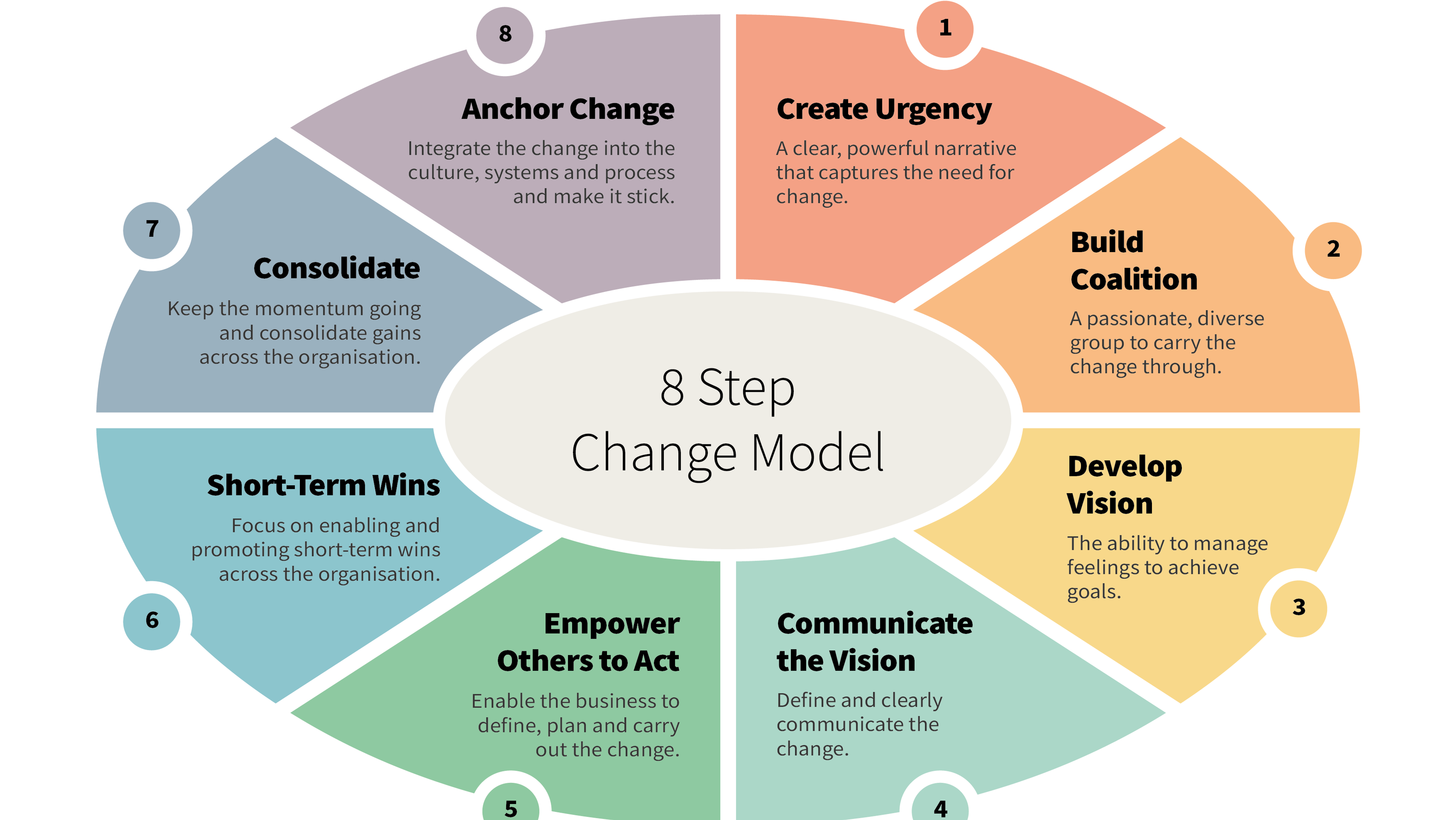
Kotter's 8 Step Change Model is a structured framework for leading organisational change, from building urgency through to embedding new ways of working. It gives leaders a clear sequence to follow when the change is big and the stakes are high.
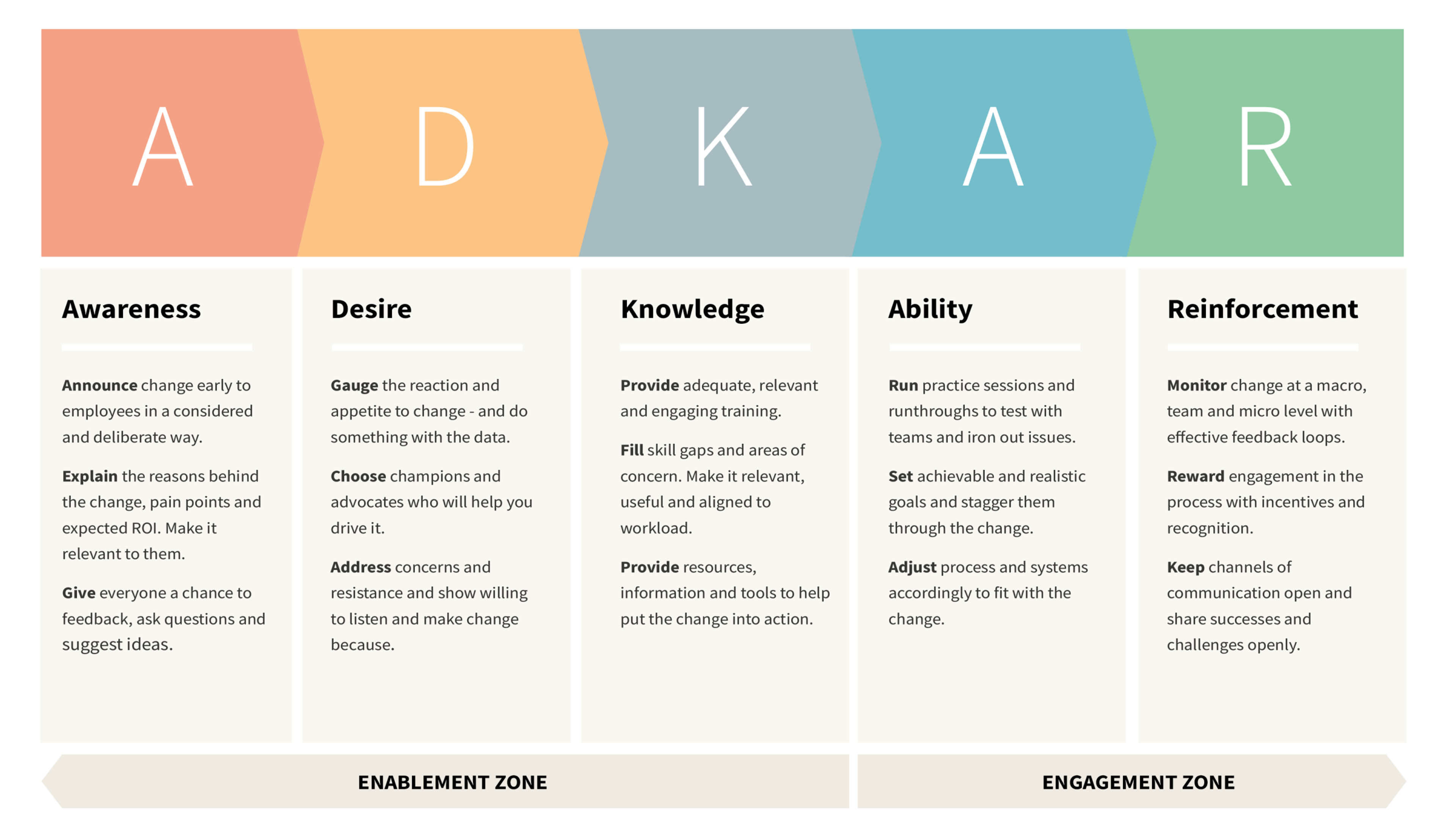
The ADKAR model is a five-stage framework for managing change at an individual level - Awareness, Desire, Knowledge, Ability, and Reinforcement. It helps organisations understand what people need at each point in a change process and where things are getting stuck.
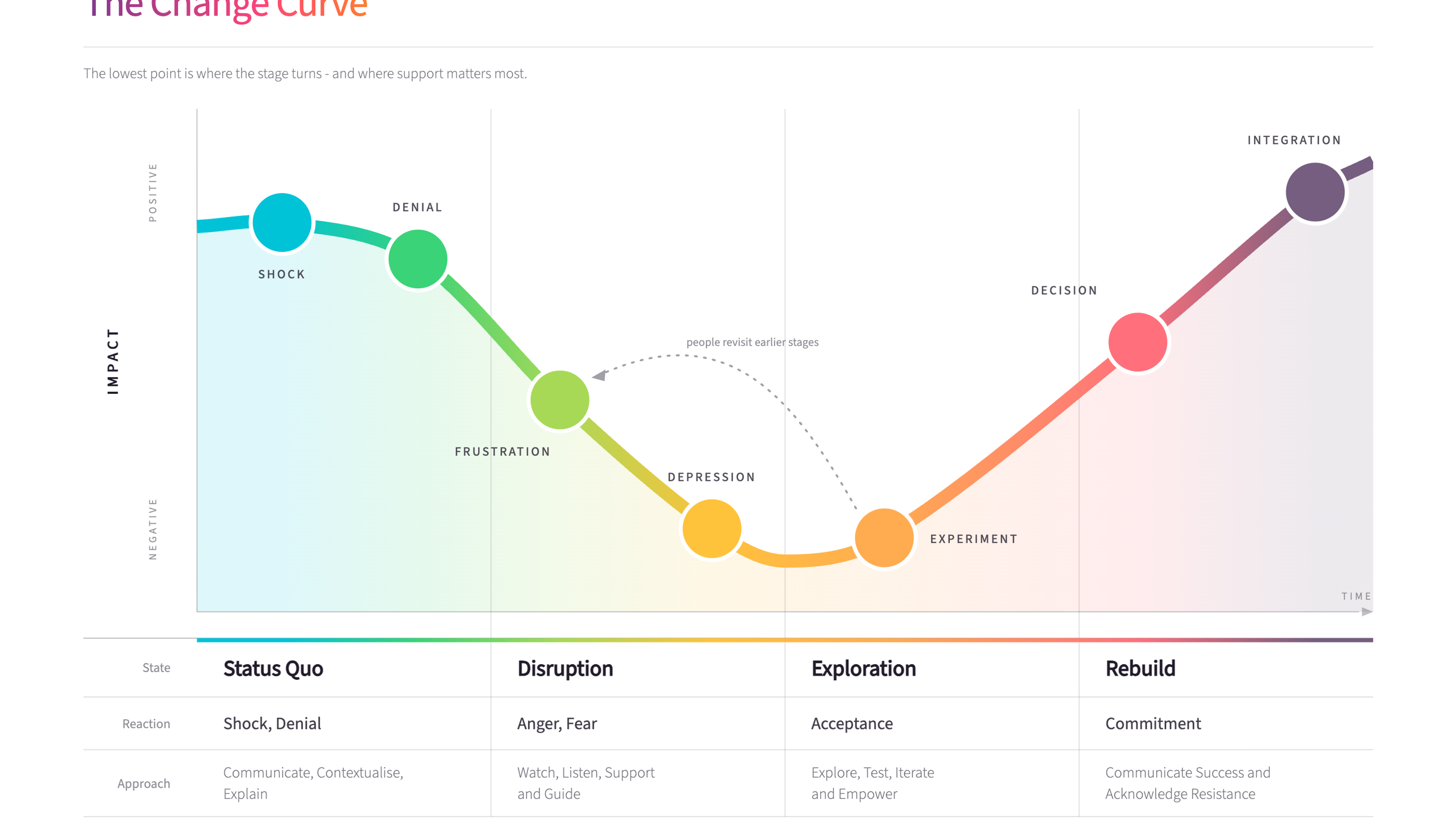
The Change Curve maps the emotional stages people move through during organisational change, from shock and denial through to acceptance and commitment. It helps leaders understand where people are in the process and what support they need.
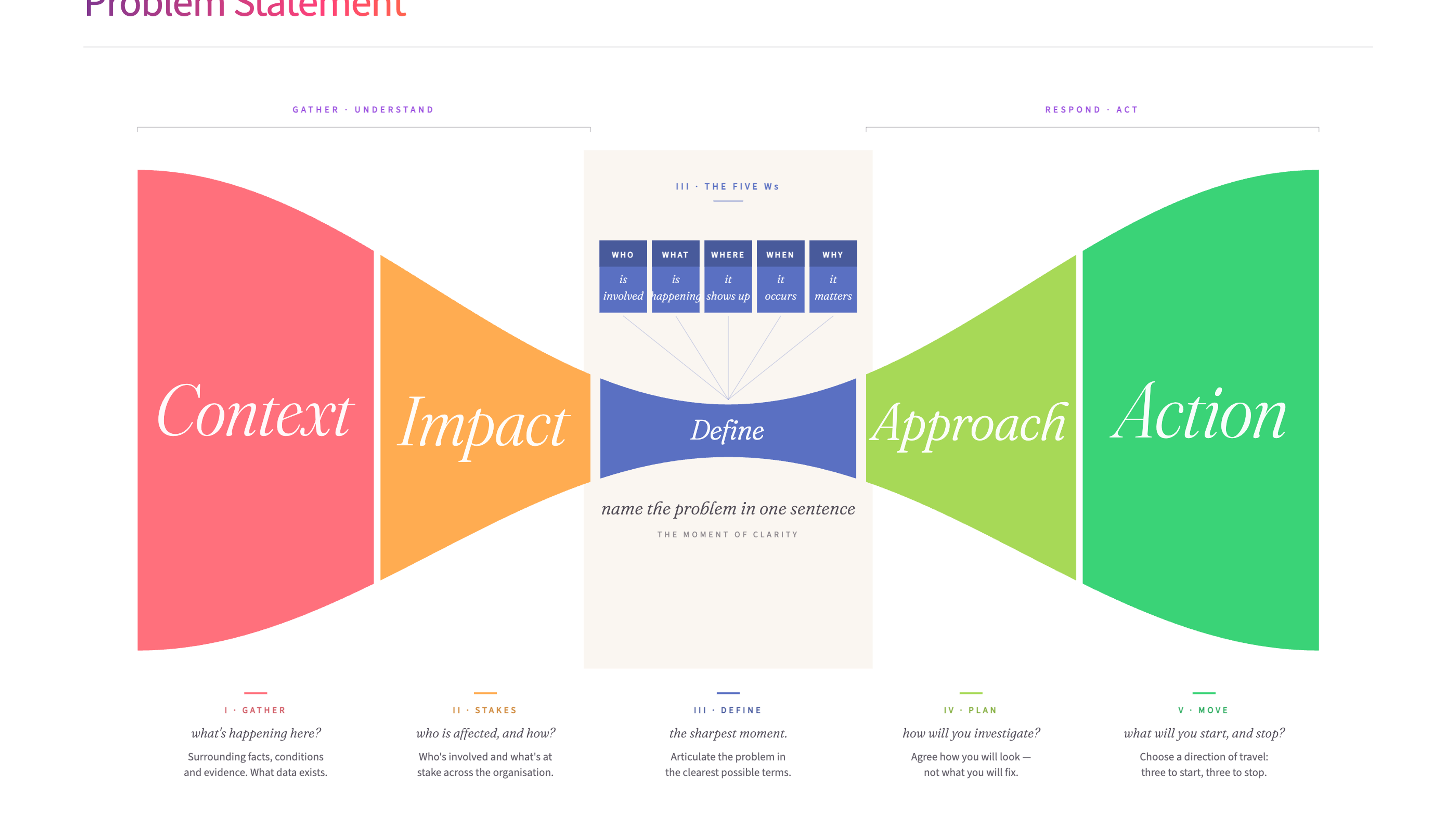
A problem statement is a clearly written summary of a problem you're facing, expressed in the simplest possible terms. It helps teams align around what they're actually trying to solve before jumping to solutions.
Articles
Longer reads on change management - exploring what makes change stick, what gets in the way, and how to build genuine momentum.

Change doesn't just affect what people do - it affects who they feel they are. Understanding the human experience of change helps leaders create conditions where people can adapt.

Your change initiative was well-planned, well-managed, and well-communicated. And it still didn't land. Here's what most change programmes overlook.
During change, the stories people tell each other matter more than the communications plan. How narrative shapes whether change lands or stalls.
Resistance to change isn't a problem to overcome - it's feedback about the conditions inside your organisation. Here's what different forms of resistance are trying to tell you.

The traditional approach to building a case for change relies on urgency and burning platforms. But urgency wears off, and fear creates resistance. This article explores a different approach - building a case for change that's rooted in honesty, shared understanding, and a genuine picture of what's possible.
How to assess whether your organisation is genuinely ready for change - looking at the whole system, not just the surface. Covers what to examine, how to gather honest insight, and how to use what you find to build a change plan that works with your organisation rather than against it.

Change fatigue in the workplace is growing fast. This article explores what's really driving it - not just the volume of change, but how organisations approach it - and what leaders can do to rebuild capacity without slowing down.

Change management and change leadership are often used interchangeably, but they're fundamentally different. This article explains what each involves, why the distinction matters, and how to develop both capabilities in your organisation.
Courses
Structured learning for individuals and teams involved in delivering or sponsoring organisational change.

Let's talk about what you're working on
Whether you're navigating a merger, rethinking how you're structured, or trying to shift a culture that isn't working - underneath, it's the same job: getting the whole organisation pulling in the same direction. Start with a conversation.