Organisational Development Diagnostic
A whole-system read of how your organisation actually works as a system - where structure, operations, capability and culture reinforce each other, where they cancel out, and the few places development would compound.

Our organisational development diagnostic reads your organisation as a single working system, not a stack of separate parts. We look at six dimensions: operating model coherence, spans and layers, work design and flow, capability architecture, systemic coherence and tensions, and adaptive capacity. Then we map how they connect, and name the few places where development would compound rather than fade.
Most improvement work treats one part in isolation - a restructure here, a training push there. A whole-system read shows you why an isolated fix gets absorbed: it was working against the rest of the system. We diagnose the system, not the symptoms, so investment lands where the whole organisation moves with it.
Nine out of ten (90%) executives rank organisational agility as critical to business success, and say it is growing in importance (McKinsey). Agility is a property of the whole system, not any single part - which is exactly what a whole-system diagnostic reads.
When an organisational development diagnostic helps
A diagnostic earns its place when the parts each look fine on their own but the organisation as a whole keeps straining, and you need to see how the pieces are working together:
The situation | How it helps |
|---|---|
Fixes keep getting absorbed | Shows where a change works against the rest of the system, so the next investment reinforces the whole rather than fighting it. |
Growth has outrun the operating model | Reads whether structure, processes, systems and governance still pull the same way at your current size and scale. |
Decisions are slow and accountability blurs | Traces spans, layers and decision rights to where authority and the work have drifted apart. |
Work snags between teams | Follows how work actually flows across the load-bearing joints, and where handoffs and bottlenecks quietly carry the strain. |
Capability feels thin or over-concentrated | Reads the capability architecture - where leadership depth and critical skills are relied on, and where the organisation is exposed. |
You're setting a development agenda | Names where investment compounds across the system, so a limited budget goes to the few high-leverage priorities. |
What we look at
We read the organisation as a system through six dimensions - the reads we use to see how the parts work together, where they reinforce each other, and where they pull against one another:

Operating model coherence
Whether structure, processes, systems and governance are pulling the same way, or quietly working against each other. Each part usually traces back to a sensible decision - what goes unexamined is how the decisions combine.
We read the model as one design: what the structure asks for, what the processes assume, what governance rewards. Side by side, the parts show where they reinforce each other - and where two are giving the organisation opposite instructions.

Spans, layers and decision rights
How authority is distributed, how many layers sit between intent and action, and where accountability blurs. These are hard numbers rather than impressions - the most objective evidence in the diagnostic.
We count the layers, measure the spans, and map decision rights as they operate rather than as written. The data usually surprises in both directions - some parts leaner than anyone claimed, others carrying structure the work no longer needs.

Work design and flow
How work actually moves - the handoffs, the bottlenecks, and the load-bearing joints between teams. An organisation is experienced through its work, so this dimension grounds the whole diagnostic in the everyday.
We pick two or three journeys that matter - a service delivered, a decision made, a problem escalated - and watch how the system carries them. Each snag gets traced to its source, usually a fit problem between two dimensions rather than a fault in either.

Capability architecture
The skills, roles and leadership depth the organisation relies on, and where capability runs thin or sits over-concentrated. Architecture is the operative word - capability has a shape, and the shape matters as much as the amount.
We map critical capabilities to the roles and people who actually hold them, and read the depth behind each. That shows where succession is genuinely covered, where knowledge needs spreading, and where the next hire changes the most.

Systemic coherence and tensions
Where improvements reinforce each other, and where structural tensions cancel each other out. This is the dimension that makes the diagnostic a systems read rather than six separate audits.
We bring the findings from every dimension onto one systems map and look at what they do to each other. The map shows which changes would compound, and which to sequence apart - the difference between a development plan and a wish list.

Adaptive capacity
The built-in ability to sense change, learn and adjust without depending on heroic effort. It's the dimension that decides how long the other five stay true.
We look for the routines that let adjustment happen without drama: who notices first, what they can change without asking, how a lesson becomes standard practice. Most organisations have this instinct somewhere - the diagnostic finds where it lives, so development can spread it.
The six dimensions stay constant; how we read them, we shape around you - your size, sector, structure, operating model and the questions you're carrying - so the systems map fits your organisation, not a template.

Why these six dimensions
These six are how we read an organisation as a system rather than a set of boxes. They sit in the OD diagnostic tradition - Weisbord, Burke-Litwin, Nadler-Tushman - which holds that performance comes from the fit between the parts, not the strength of any one part. So we read structure, operations, capability and the culture around them together, and pay closest attention to where they meet.
Spans, layers and decision rights are treated as first-class evidence here, not org-chart trivia. Where authority sits relative to the work, and how many layers separate a decision from its consequence, tells you more about how the organisation really runs than any process map. It is where coherence is won or lost.
Systemic coherence and tensions is the dimension the others feed into. An organisation rarely fails on one part; it strains where two well-meant designs pull against each other. Naming those tensions, rather than smoothing them away, is what turns a diagnosis into a place to develop.
How it works
We triangulate the system from three vantage points, so the picture holds up rather than resting on any single view:
- We watch - observation of how decisions and work actually flow versus the org chart - where the real routes run, and where people work around the structure rather than through it.
- We measure - a diagnostic survey mapping the perceived state across the six dimensions, reported by group so you see where views differ - top team versus front line, silo by silo - not just the average.
- We listen for - cross-section interviews, from the top team through the front line and across silos, anchored on real situations that surface the connections and tensions a survey flattens.
- We notice - the patterns that cut across all of it, read with judgement from twenty years of organisational-development work, and drawn together into a systems map.
The thinking behind the method
No single vantage point sees a system whole, so we use three and cross-check them. A survey maps where people think the organisation stands, but an average hides how differently a silo and the top team experience the same operating model. Interviews reach the connections and tensions a survey flattens, but only from the people in the room. Watching how decisions and work actually flow shows you the routes that don't appear on any chart. A finding has to show up in more than one before we treat it as real.
We read decisions and work as they actually flow, not as the process documentation describes them. The gap between the two - where authority has drifted from the work, where a handoff quietly carries the load - is usually where the useful diagnosis sits. It is the difference between the org chart and the organisation.
And we show you the spread, not just the average. A system isn't one number: two organisations that score the same can be coherent in one place and pulling apart in another. Where views diverge - by function, by level, by tenure - is where the tensions live, and where development has the most to work with.
What you get
A working read-out of your organisation as a system, walked through in person, not a report filed and forgotten. We take you through:

- A systems map of the organisation - how the parts actually connect and where the load sits, not what the org chart implies.
- A strengths-and-constraints picture, not a scorecard - what's holding the system together and worth building on, alongside what's straining it.
- The structural tensions named plainly - where two things are both true and pulling against each other.
- A small set of high-leverage development priorities - the few places where investment compounds across the system rather than fading in isolation.
Where two things are both true and in tension - "we want faster decisions" and "every layer needs to sign off" - we show you both, because the tension between them is usually where the highest-leverage development sits.
How we hand it back - and what happens next
The diagnostic ends in a working session, not a document dropped in your inbox. We take you through the systems map and the priorities in person, so it lands as something you can act on, rather than a report read once and filed.
Some of the most useful findings come as tensions - two well-meant designs pulling against each other. We name those rather than resolving them into one tidy recommendation, because in a system the tension is the thing worth developing, and the place a single fix would have failed.
From there it's your call. Sometimes the systems map is enough and you set the development agenda yourselves. Sometimes you want us alongside for the work that follows - a focused piece, or a fuller organisational development programme. And if what you need turns out to be lighter than you feared, we'll say so.
Focused now, or continuous over time
This is a focused, one-off, consultant-led read of your organisation as a whole system, right now. If what you want is the organisation tracked continuously - development as one thread among many, over time - that's States of Vitality, our organisational-health platform. Different job: a deep whole-system read now, versus the wider picture over time.
Common questions
How is this different from an engagement survey?
A survey tells you how people feel and gives you scores. This tells you how your organisation works as a system, and where development would compound. We read across three vantage points - a diagnostic survey, cross-section interviews and observation of how decisions and work actually flow - and draw them into a systems map, not a set of ratings.
Who do you involve?
A cross-section, not just leaders - the survey goes wide, and we interview from the top team through the front line and across silos. The connections and tensions in a system show up in the gaps between how different groups experience it, so those gaps are where the value is.
How long does it take?
It's usually weeks rather than months, but it depends on the size of your organisation and how complex the system is. We build each diagnostic around you, and agree the timeline when we scope it.
How much does it cost?
There's no standard price - we build each diagnostic around you, so the cost reflects the size of your organisation, the scope, and the depth you need. We scope it with you and give you a clear figure before you commit.
Is it confidential?
Yes. Survey responses are anonymous, interviews are confidential, and we report in groups and patterns - by function, level or tenure - never in a way that identifies an individual.
How is this different from the Organisational Design Diagnostic?
The design diagnostic reads your structure specifically - shape, roles, decision rights, how the organisation is put together. This reads the whole system: structure, operations, capability and the tensions between them, and where development would compound. If structure is clearly the question, start with the design diagnostic; if the parts each look fine but the organisation as a whole keeps straining, this is the wider read.
Want to see your organisation as a system? Talk to us about an organisational development diagnostic
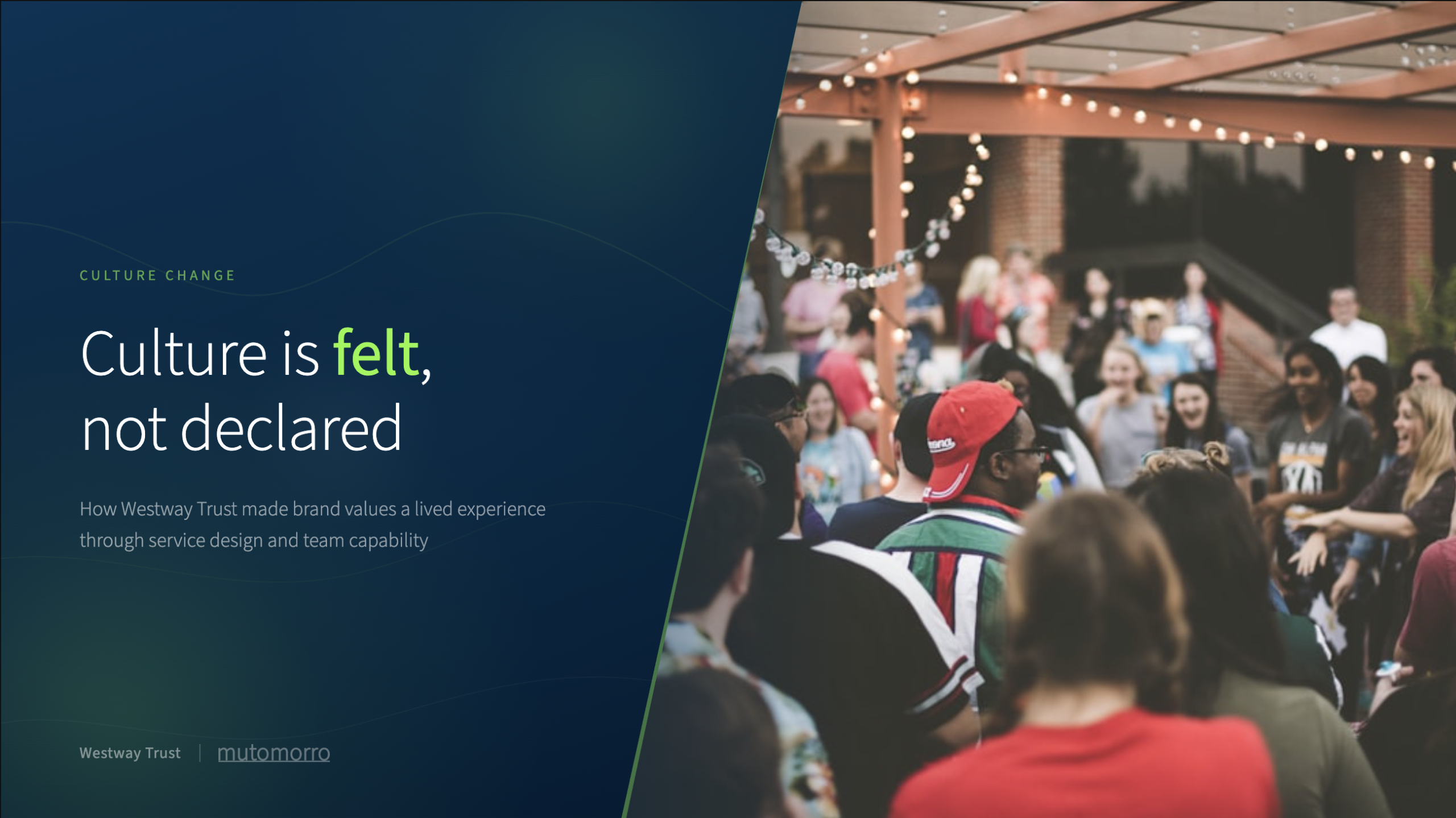
Culture change built on how services were delivered, not what was written on a wall
A community trust born from decades of activism, with brand values that felt bold on paper but hadn't yet changed how services were delivered or how teams worked day to day. Sports, housing and arts ran as different organisations to the person walking through the door.
Read case study →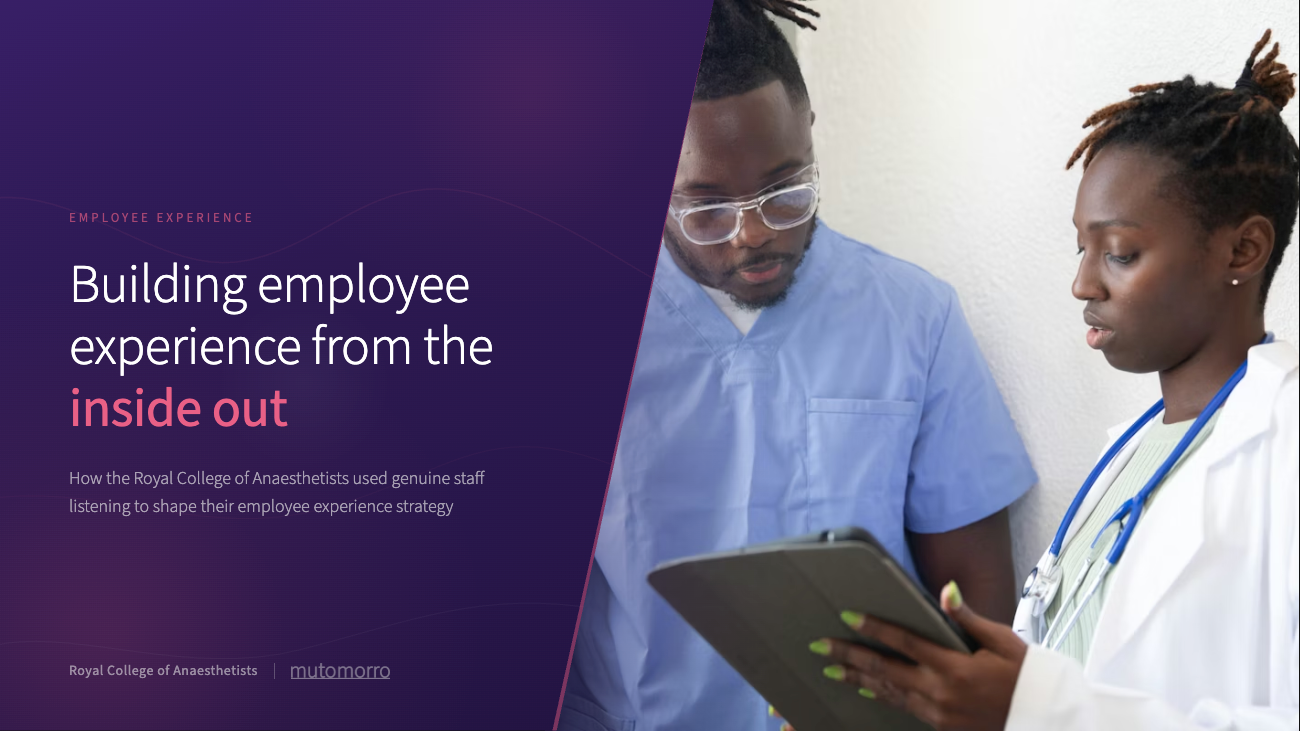
What happens when you listen to what staff experience, not what leadership assumes
A professional body with strong values and committed people, asking an honest question - does the working environment we've built match the kind of organisation we're trying to become?
Read case study →We work with the conditions inside your organisation - so improvements compound, capability builds, and getting better becomes how things work.
Development intervention design gives you an intervention set: a sequenced, staged plan of the specific changes to make - each with the reason it will work, the level it works at, who owns it, and how progress gets measured. We design it with your people, so the plan is theirs before it starts.
The Organisational Development Programme takes your Development Intervention Design and runs it as a live programme of sequenced interventions across the organisation. The new structures, processes, team behaviours and people-systems get installed family by family, tested as they land, and adjusted until they are operating together as one way of working. Your people help deliver it, so what runs at the end is genuinely theirs to hold.
Renewing as You Go keeps the development solution your programme delivered fit and improving, and builds your own people's ability to run and evolve it. Your organisation's own habit of reviewing and renewing becomes standing practice, so the change keeps working long after the programme ends. You can keep us on a light ongoing rhythm alongside that, or take it fully in-house and run it yourselves.
The McKinsey 7-S Model is a strategic framework that maps seven interconnected elements of an organisation - from strategy and structure to skills and shared values. It helps leaders understand how changing one part of the organisation affects everything else.
An Organisational Maturity Model maps how developed your organisation's processes and capabilities are across five stages - from ad-hoc and reactive through to optimising and continuously improving. It helps you see where you are and what the next step looks like.
The Burke-Litwin Change Model maps how different parts of an organisation connect and influence each other during change. It helps leaders see which factors are driving performance and where to focus their effort for the biggest impact.
The Iceberg Model is a systems thinking tool that helps you look beneath surface-level events to find the patterns, structures, and mental models driving them. It's a way of seeing the deeper causes behind what's happening in your organisation.
Resilience isn't about bouncing back to where you were. It's about developing the capacity to adapt, learn, and come through difficulty stronger than before. This article explores what organisational resilience actually looks like and what leaders can do to build it.
Why the most reasonable solutions so often become next year's problem. Drawing on systems thinking, a 1930s sociologist, and MIT research on why the real cure gets abandoned just before it works - this piece traces the two ways a good fix turns on you, and the single habit that catches both.
Why futures thinking needs to become an everyday organisational capability rather than an occasional planning exercise. This article explores how developing future literacy helps organisations navigate uncertainty with confidence.