BANI Framework
The BANI framework names four conditions of a chaotic world - Brittle, Anxious, Non-linear and Incomprehensible - and pairs each with the response that helps you act.
Get the free template
What is the BANI framework?
BANI is a way of describing a world that no longer behaves predictably. The futurist Jamais Cascio introduced it in 2020, in an essay called Facing the Age of Chaos. The letters stand for four conditions: Brittle, Anxious, Non-linear and Incomprehensible.
Each condition comes with a response. BANI is not a forecast or a checklist. It gives a team shared words for what is happening, so it can talk about it and agree how to act within it, rather than waiting for things to settle.
BANI vs VUCA
BANI is often described as the successor to VUCA (volatile, uncertain, complex, ambiguous). The two do different jobs. VUCA describes the environment from the outside: how fast it changes and how hard it is to read. BANI describes how systems and people behave inside that environment: what breaks, what it feels like, and why the usual tools for understanding stop working.
That makes BANI more personal and more organisational. Anxiety is not a feature of a market. It is what happens to the people trying to work in one. If your team already uses VUCA Prime, BANI is a useful second lens, especially on the human side.
The four conditions, and the response to each
Brittle - and the response, resilience
Brittle systems look strong until they suddenly fail. Lean operations, single suppliers and one person who knows how something works are all efficient right up to the moment they break, and there is rarely a warning.
The response is resilience: build in slack, spare capacity and room to flex, so a shock bends the system instead of snapping it. In practice that often means putting back some of the redundancy that efficiency drives took out. Our guide to building organisational resilience goes further.
Anxious - and the response, empathy and mindfulness
When everything feels urgent and uncertain, people become anxious. Anxiety pushes people towards one of two reactions: freezing, or rushing into decisions to make the feeling stop. Neither helps.
The response is empathy and mindfulness: slow down, listen, and make it safe to say what you do not know. That is not softness. A team that can admit uncertainty out loud makes better decisions than one performing confidence.
Non-linear - and the response, context and adaptability
In a non-linear world, cause and effect fall out of proportion and out of time. A small change can have an outsized effect, and a big effort can produce almost nothing. Effects often arrive long after the cause, by which time nobody connects the two.
The response is context and adaptability: plan in short loops, watch what actually happens, and adjust. The faster things are moving, the more often you need to look again. The OODA Loop is one way to build that rhythm.
Incomprehensible - and the response, transparency and intuition
Some situations do not make sense, however much information you gather. More data can even make it worse, adding noise without adding understanding.
The response is transparency and intuition: share what you know openly, including what you don't, and trust experienced judgement where the data runs out. The aim is enough shared sense to act, not a complete explanation.
How to use the BANI framework
- Take one situation your team is in now and read it against each letter in turn.
- Ask which conditions are strongest. Usually one or two dominate, not all four.
- Name what has made you brittle: the single points of failure, and the slack that has been cut.
- Agree one move for each condition that matters - a buffer, a check-in, a shorter cycle, a shared picture.
- Come back to it. The mix of conditions shifts, and the response should shift with it.
Common pitfalls
The biggest trap is holding tighter. When the ground keeps moving, the natural reflex is more control: tighter plans, more reporting, more sign-off. It feels safe, and it makes the organisation more brittle. Close behind are treating anxiety as a personal weakness rather than a reasonable reaction to real conditions, and answering incomprehensibility with more reports.
BANI also works best as a lens, not a label. It describes the conditions; it does not make the decision for you. To work out what kind of response a particular decision needs, the Cynefin Framework is a good companion, and for problems that resist any single answer, see Wicked Problems.
Working with BANI in your organisation
The organisations that cope well with a BANI world are not the ones with the tightest plans. They are the ones where people share a clear sense of direction, trust each other enough to say what they are seeing, and have the room to adapt together. That is the work of strategic alignment: a direction everyone understands, with the flexibility to keep moving towards it as the ground shifts.
We share thinking on organisational change and development on LinkedIn - practical ideas for people doing this work inside their own organisations.
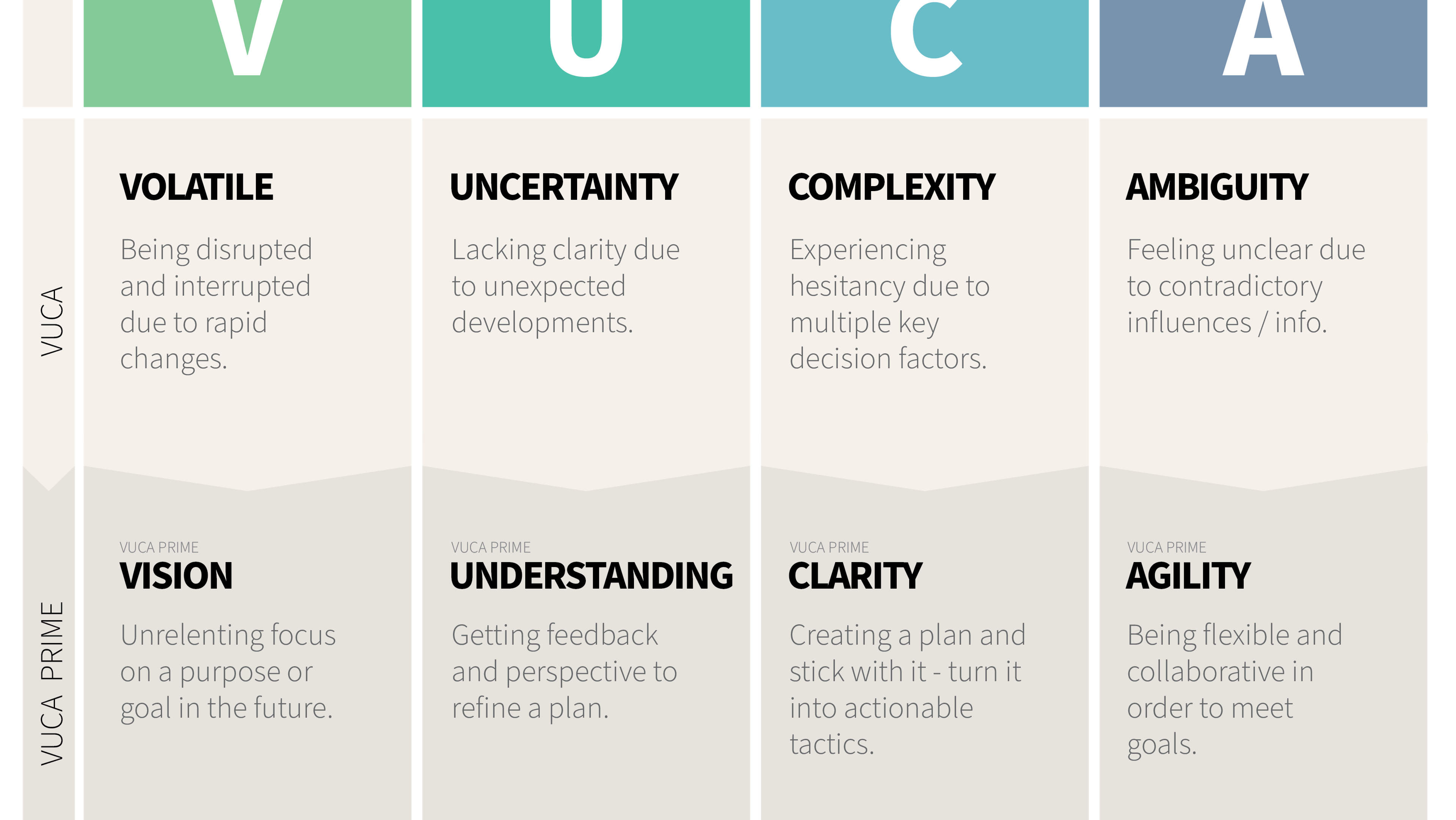
VUCA Prime is a leadership response framework for navigating Volatility, Uncertainty, Complexity, and Ambiguity. It pairs each challenge with a counter-strategy - Vision, Understanding, Clarity, and Agility - to help leaders act effectively in turbulent environments.
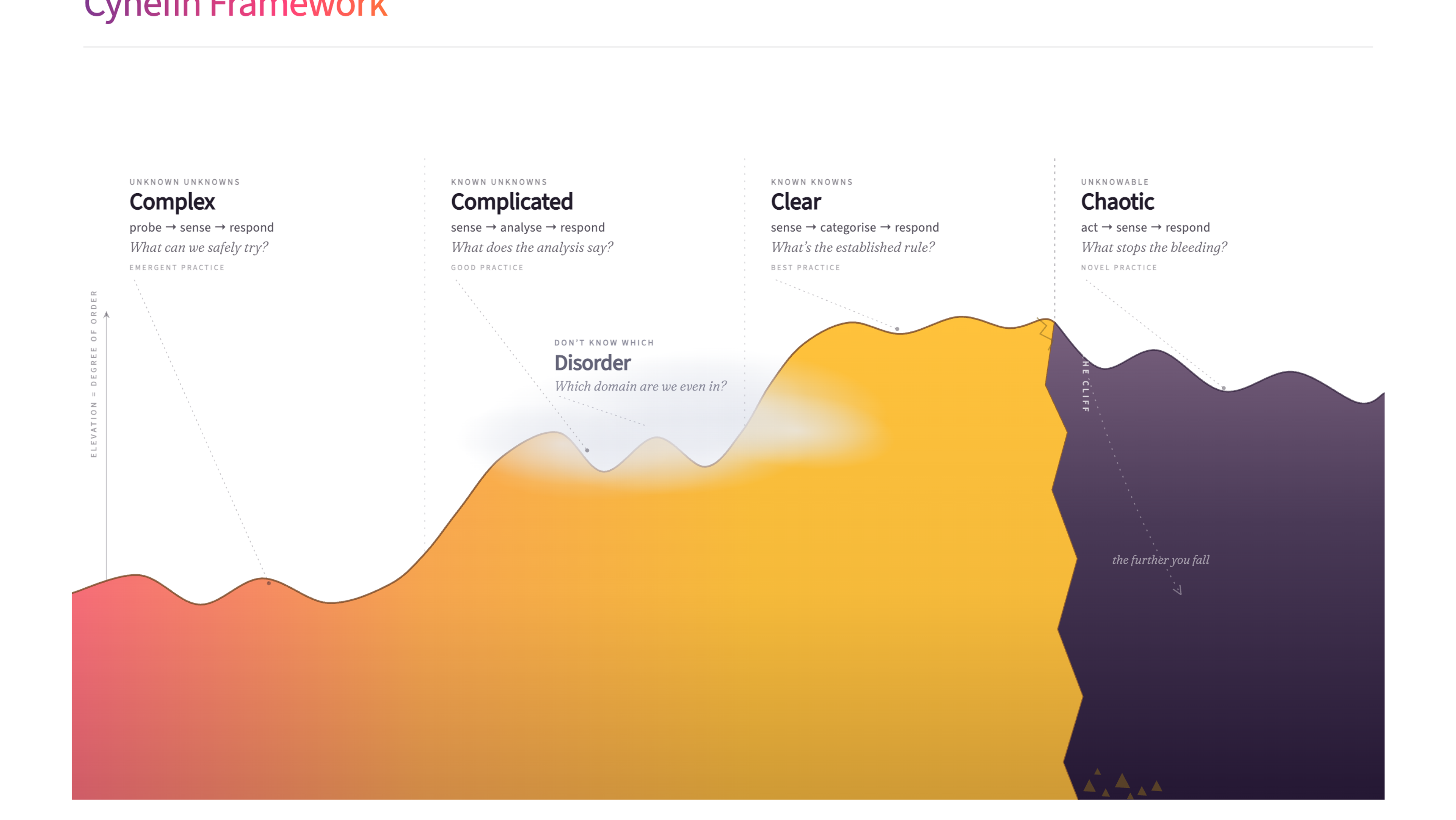
The Cynefin Framework is a decision-making model that helps leaders understand what kind of situation they're dealing with - clear, complicated, complex, chaotic, or confused. The right approach depends on the context, and this framework helps you match the two.
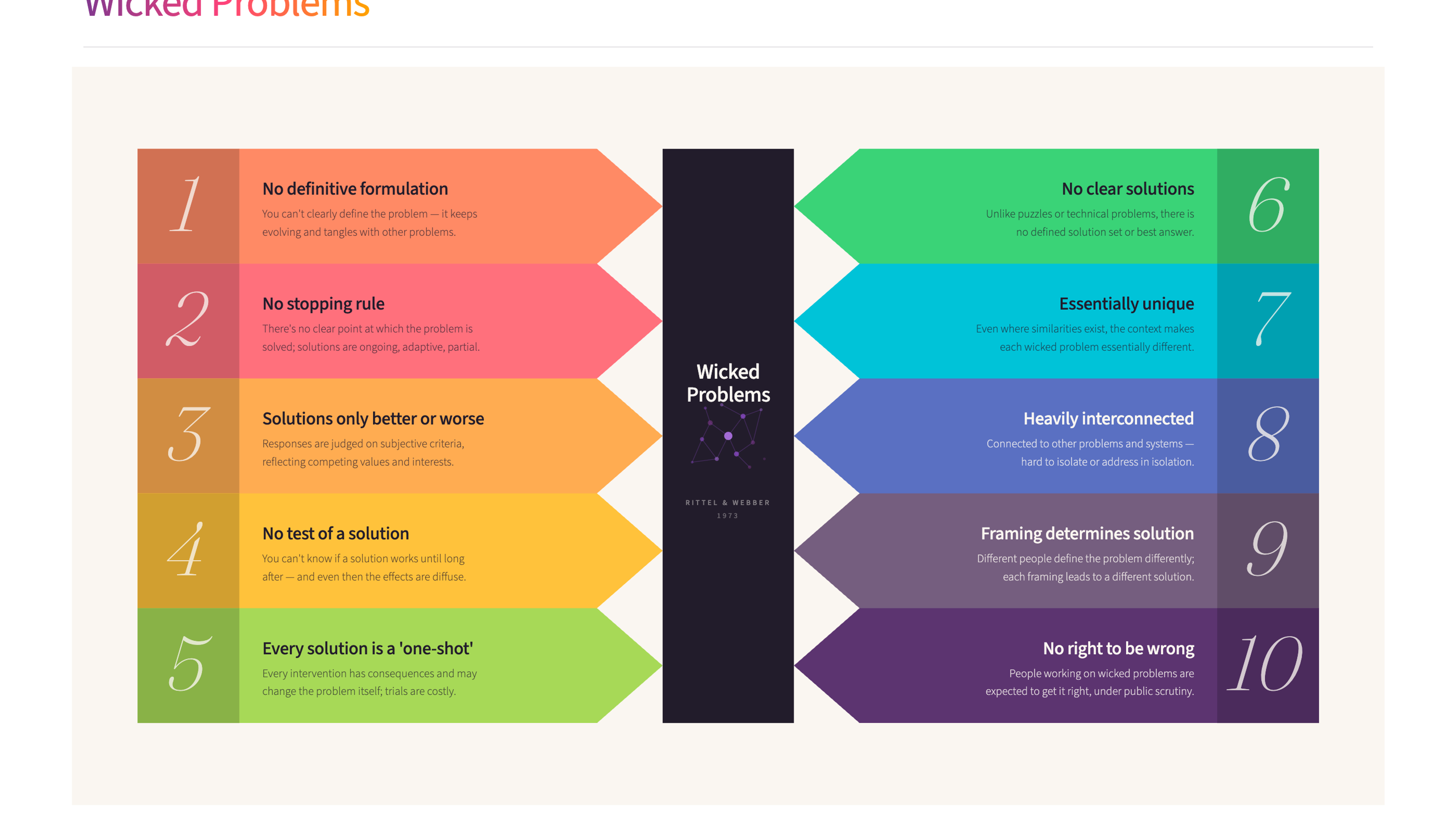
Wicked Problems are complex challenges that resist straightforward solutions - where the problem itself shifts as you try to solve it. Understanding wicked problems helps organisations stop looking for simple fixes and start working with the complexity instead.
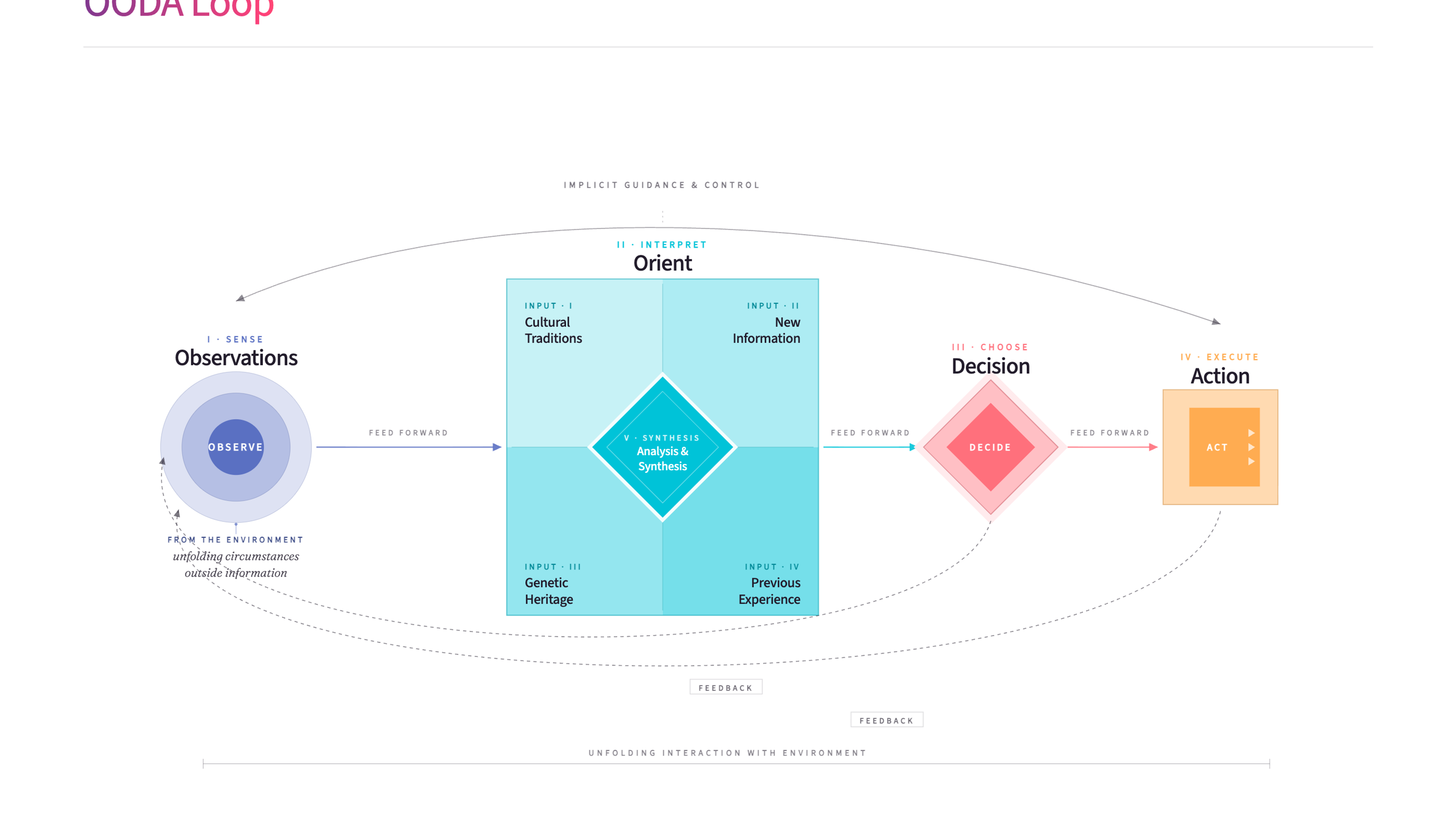
The OODA Loop (Observe, Orient, Decide, Act) is a decision-making framework designed for fast-moving, uncertain situations. It helps leaders and teams make quicker, better decisions by cycling through observation and action rather than getting stuck in analysis.

James Freeman-Gray is the founder of Mutomorro. He's an organisational development practitioner who has spent over twenty years working with leaders across public, private and nonprofit sectors - helping organisations pull together around a common purpose, joined up in how they work. More about who we are and what it's like to work with us.
I use BANI with leadership teams who can feel the ground moving under them but can't say why their usual plans keep failing. It gives them shared words for what is happening, and that changes the conversation from "we need more control" to "where do we need more slack, more honesty and shorter loops?"
Last reviewed: October 2026
Ready to use BANI Framework?
Download the free template - includes practical guidance for workshops and team sessions.
Get the free template
Want to put these ideas into practice?
Whether you're navigating a merger, rethinking how you're structured, or trying to shift a culture that isn't working - underneath, it's the same job: getting the whole organisation pulling in the same direction. Start with a conversation.